Menu Close

Understanding When Air Conditioning Repair Miami Services Indicate It’s Time for a Replacement

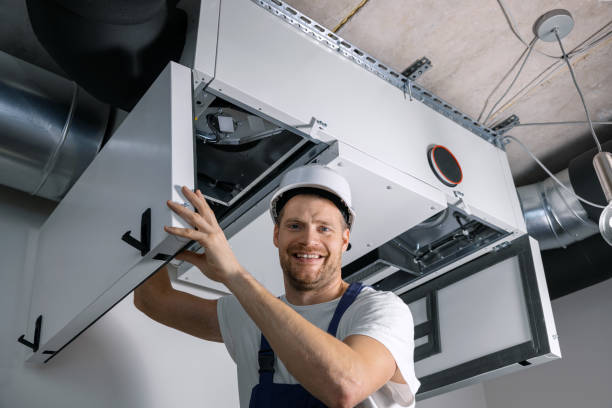
smiling hvac technician at work. ventilation, heating system maintenance and repair smiling hvac technician at work. ventilation, heating system maintenance and repair ac technician stock pictures, royalty-free photos & images

HVAC systems are an essential part of maintaining indoor comfort, but like any mechanical system, they are subject to wear and tear over time. While occasional repairs are expected, frequent issues might indicate it’s time to consider replacing your unit instead of continuing with costly fixes. Understanding the signs and evaluating repair trends can save you money and improve efficiency.

Evaluating Repair Frequency

  • Inconsistent Performance: Uneven heating or cooling throughout your home may point to failing components.
  • Repeated Breakdowns: Experiencing multiple breakdowns in a short period is a red flag.
  • Recurring Issues: Addressing the same problem repeatedly suggests underlying failures in the system that temporary fixes cannot resolve.

The Cost Factor: When Repairs Outweigh Replacement

Repair Cost Estimated New System Cost Recommendation
$1,500 $3,000 Consider Replacement
$500 $5,000 Repair May Be Viable

Signs It’s Time for HVAC Replacement

  1. Age of the System: Most systems last 10–15 years with proper maintenance. If yours is older than this range, its efficiency may no longer justify repair costs.
  2. Rising Energy Bills: Higher utility bills can indicate reduced efficiency caused by aging components.
  3. Obsolete Technology: Older units may use outdated refrigerants like R-22 (which has been phased out), making repairs both expensive and environmentally harmful.

Benefits of Replacing Your HVAC System

  • Energy Efficiency: Modern systems consume less energy while providing better performance.
  • Lower Maintenance Costs: A new unit reduces maintenance needs and minimizes unexpected breakdowns.
  • Improved Comfort & Air Quality: Advanced technology allows precise temperature control and better filtration for healthier air.

Replacing your HVAC unit when necessary ensures long-term cost savings while maintaining consistent home comfort. By recognizing patterns in repair frequency early on, you can avoid excessive costs and benefit from updated technology designed for superior performance.

Understanding the $5,000 Age-Cost Rule for Miami HVAC Systems Explained Like a Professional

The $5,000 age-cost rule is a helpful guideline that homeowners and businesses can use to determine whether to repair or replace their HVAC system. This rule simplifies decision-making by factoring in both the age of the system and the cost of repairs. Here’s how it works and why adhering to it can save you money and stress in the long term.

Understanding the $5,000 Age-Cost Rule for AC Repair Miami Residents

The formula is simple:
– Multiply the age of your HVAC system by the estimated repair cost.
– If this number exceeds $5,000, it’s likely more cost-efficient to replace your HVAC system rather than repair it.

For example:
| Age of System (Years) | Repair Cost ($) | Calculation (Age × Repair Cost) | Recommendation | |————————|——————|———————————-|————————-| | 10 | 600 | 10 × 600 = 6,000 | Replace | | 8 | 400 | 8 × 400 = 3,200 | Repair |

How to Choose the Best HVAC Company Miami, FL Residents Trust

The age of an HVAC system significantly impacts its efficiency, reliability, and repair costs. Most systems are designed to last between 10–15 years, though this depends on factors such as maintenance frequency, usage patterns, and climate conditions. Older systems tend to:

  • Break down more frequently.
  • Operate less efficiently due to outdated technology.
  • Require harder-to-find parts for repairs.

If your system is approaching or has surpassed its lifespan, frequent repairs become increasingly common—often leading to escalating costs.

Weighing the True Cost: AC Replacement Miami vs. Repairs

  1. Higher energy bills: Older units are less energy-efficient compared to modern models with advanced technology like variable-speed compressors or smart thermostats.
  2. Frequent breakdowns: Multiple repairs over time can quickly add up.
  3. Compromised comfort: Aging systems may struggle to maintain consistent temperatures or humidity levels in your home.
  4. Reduced air quality: An old unit may contribute to poor indoor air quality by circulating allergens or failing to properly dehumidify.

Replacing an aging unit with a newer model typically results in immediate benefits such as lower energy bills and improved home comfort.

Using Long-Term Savings as a Deciding Factor

  • Energy efficiency improvements: Modern ENERGY STAR-rated systems can reduce energy consumption by up to 30%, translating into significant savings annually.
  • Warranty coverage: A new unit often comes with warranties that cover parts and labor for several years.
  • Rebates and tax credits: Many local utilities offer incentives for upgrading to more efficient equipment.

By factoring these benefits into your decision-making process alongside the $5,000 age-cost rule, you’ll be better equipped to make an informed choice that balances short-term expenses with long-term value.

Additional Tips for Extending Your System’s Lifespan

  • Schedule regular professional maintenance (recommended twice per year).
  • Replace air filters every 1–3 months depending on usage.
  • Seal ductwork leaks to prevent energy loss.
  • Install programmable thermostats for better temperature control.

By implementing these strategies alongside professional guidance from trusted contractors familiar with the $5,000 age-cost rule, you can optimize performance while minimizing unexpected expenses over time.

Why the Age of Your HVAC System Matters: When 10–15 Years Becomes a Critical Tipping Point

The age of your HVAC (Heating, Ventilation, and Air Conditioning) system plays a significant role in determining its efficiency, reliability, and overall functionality. While regular maintenance can extend the lifespan of your system, hitting the 10–15 year mark is often a critical tipping point where replacement becomes a more cost-effective and practical solution than continuous repairs.

Why Age Impacts HVAC Performance

  • Wear and Tear on Components
    Over time, essential components like compressors, fans, and coils experience natural degradation. Even with proper maintenance, these parts become less efficient due to prolonged use.
  • Outdated Technology
    Older HVAC systems are often built with outdated technology that does not meet today’s energy efficiency standards. This leads to higher operating costs compared to modern systems designed with advanced energy-saving features.
  • Refrigerant Phase-Outs
    Many older HVAC units use refrigerants like R-22 (commonly known as Freon), which have been phased out due to their environmental impact. Replacing these refrigerants can be costly and may not even be an option for some aging systems.

Key Indicators Your System Is Nearing Its Tipping Point

  1. Frequent Breakdowns – Repairs become more common as parts wear out.
  2. Declining Efficiency – Rising utility bills signal that the system needs more energy to perform its job.
  3. Inconsistent Comfort Levels – Rooms are unevenly heated or cooled despite adjustments.
  4. Louder Operation Noises – Strange sounds such as banging or rattling suggest failing components.
  5. Outdated SEER Ratings – Older systems tend to have lower Seasonal Energy Efficiency Ratios (SEER), meaning they consume more electricity than newer models.

Cost Analysis: Repair vs. Replace

Factor Repair Cost Estimate Replacement Cost Estimate
Initial Investment $200–$1,500 per repair $4,000–$12,000 depending on system size/type
Energy Savings Minimal Up to 30% savings annually
Equipment Longevity Limited (1–2 years) Long-term investment (10–20 years)
Environmental Impact Higher Lower due to eco-friendly options

While repairs may seem cheaper in the short term, repeated fixes for an older unit often add up quickly and fail to address underlying inefficiencies.

Benefits of Replacing an Aging System

  • Improved Energy Efficiency
    Modern units are designed with higher SEER ratings and advanced technology like variable-speed blowers for optimal performance at lower operating costs.
  • Enhanced Indoor Air Quality (IAQ)
    Newer models include features like better filtration systems and humidity controls that improve air quality throughout your home.
  • Environmental Benefits
    Switching to energy-efficient systems reduces carbon emissions and allows you access to refrigerants compliant with current environmental regulations such as R-410A or R-32.

By understanding how age impacts your HVAC system’s performance and costs over time, you can make informed decisions about whether repair or replacement is the right choice for your home or business needs.

How Rising Energy Bills Can Signal It’s Time to Replace Your HVAC System

One of the most significant indicators that your HVAC system may need replacing is a noticeable and consistent increase in your energy bills. While seasonal changes can naturally cause fluctuations in energy consumption, a steady rise should not be overlooked. This section will explore how elevated energy costs often point to inefficiencies within your HVAC system and when replacement might be the most cost-effective solution.

Key Reasons Why Energy Bills Rise with Aging HVAC Systems

  1. Declining Efficiency
    Over time, wear and tear can cause critical components like compressors, fans, or coils to operate less efficiently. As parts degrade, your system works harder to maintain indoor comfort, leading to increased energy use.
  2. Outdated Technology
    Older systems are typically less energy-efficient compared to modern units with advanced technologies such as variable-speed motors or high Seasonal Energy Efficiency Ratio (SEER) ratings.
  3. Leaks in Ductwork
    Leaking or poorly sealed ductwork forces the HVAC system to work overtime and consume more power to distribute conditioned air effectively.
  4. Lack of Regular Maintenance
    Neglected systems with dirty filters, clogged coils, or malfunctioning parts often underperform while consuming excessive energy.

Signs Your Rising Energy Costs May Be Related to Your HVAC System

  • Frequent Cycling: If your unit constantly turns on and off (short cycling), this indicates inefficiency.
  • Uneven Temperatures: Hot and cold spots around your home may mean the system is losing effectiveness and consuming extra power unnecessarily.
  • Noisy Operation: Loud rattles or humming during operation could signal internal issues contributing to inefficiency.
  • Increased Repairs: A surge in repair needs combined with rising bills often suggests it’s time for replacement rather than continued patchwork fixes.

The Cost Comparison: Repair vs Replacement

Factor Repair Option Replacement Option
Upfront Cost Generally lower Higher initial investment
Longevity Temporary fix; may need frequent repairs Long-term solution lasting 10–15 years
Energy Savings Potential Minimal Significant (newer models offer 20–40% savings)
Environmental Impact Uses older refrigerants like R-22 Eco-friendly refrigerants like R-410A or R-32

If repairs exceed half the cost of a new system—especially for an older unit—it makes financial sense to invest in replacement instead of ongoing maintenance.

The Advantages of Replacing Aging Systems for Better Energy Performance

  • Modern systems come equipped with higher SEER ratings (the industry recommends SEER 14+).
  • Newer units are designed with programmable thermostats and zoning capabilities for optimized energy use.
  • Many modern systems use eco-friendlier refrigerants that comply with current environmental regulations.
  • High-efficiency units improve overall indoor comfort by providing better airflow control and temperature consistency.

By addressing rising energy bills promptly through evaluation or replacement of your current system, homeowners can avoid compounding expenses while improving comfort and reducing environmental impact long-term.

The Impact of Comfort and Air Quality on Identifying Everyday Red Flags in Your HVAC System

Your home’s HVAC system plays a critical role in maintaining not only indoor comfort but also air quality. When your system begins to falter, subtle signs may show up before a complete breakdown occurs. Recognizing these red flags can help you address issues promptly, reduce energy waste, and avoid costly repairs or health problems over time.

Common Signs Indicating Poor Comfort and Air Quality

  • Uneven Temperatures Across Rooms: Hot or cold spots in certain areas of your home could indicate problems with ductwork, airflow, or an aging system.
  • Inconsistent Humidity Levels: A properly functioning HVAC should help maintain a balanced humidity level indoors. Persistent dry air in winter or excessive humidity during summer might point to inefficiencies.
  • Unusual Odors: Musty smells may suggest mold growth within the system or ducts, while burning odors could signal electrical issues or overheating components.
  • Excessive Dust Accumulation: If you’re dusting surfaces more frequently than usual, your HVAC’s filtration system may not be effectively removing airborne particles.
  • Increased Allergy Symptoms: Poor indoor air quality caused by dirty filters or contaminants in the ductwork can aggravate respiratory issues and allergies.

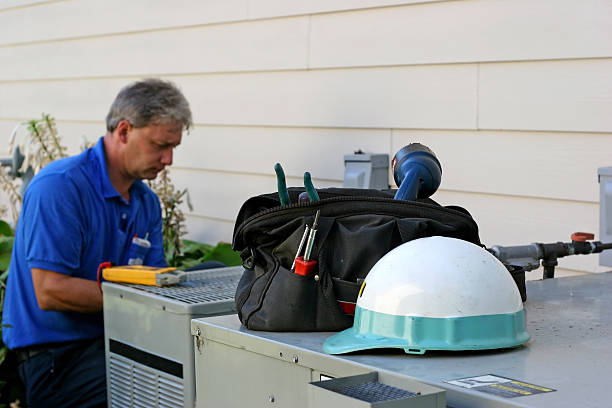
Repairman Checking Outside Air Conditioning Unit For Voltage Repairman checking outside air conditioning unit for voltage. ac technician stock pictures, royalty-free photos & images

How These Issues Impact Your Home

Factor Potential Impact
Energy Efficiency An underperforming system consumes more energy to meet demand, leading to higher utility bills.
Health Risks Polluted indoor air from dust, allergens, and mold can trigger asthma attacks and other respiratory conditions.
System Longevity Ignoring minor red flags like airflow problems may result in major component failures over time.
Overall Comfort Uneven temperatures and improper humidity levels reduce the overall comfort of living spaces.

Steps to Address Common Red Flags

  1. Regularly Replace Filters: Clogged filters hinder airflow and reduce air quality. Follow manufacturer recommendations for replacement intervals (typically every 1–3 months).
  2. Schedule Routine Maintenance: Professional tune-ups identify potential repairs early on while ensuring optimal performance.
  3. Inspect Ductwork for Leaks: Cracks or gaps in ducts can lead to uneven heating/cooling while allowing contaminants into the system.
  4. Upgrade Your Thermostat: A smart thermostat provides better control over indoor temperature settings while improving efficiency.
  5. Consider Air Purifiers or Humidifiers: Supplemental equipment enhances indoor climate control by balancing humidity levels and removing particles from circulation.

When Is It Time to Consider Replacement?

If frequent maintenance becomes necessary or your unit struggles despite consistent upkeep, a replacement might be more cost-effective than ongoing repairs. Systems older than 10–15 years are especially prone to inefficiencies that impact both comfort and air quality.

Making sure your HVAC supports both temperature regulation and clean airflow will improve not just the health of your home but also the overall well-being of everyone inside it.

The Importance of Proper Sizing and Design to Get Your HVAC System Right the First Time

When it comes to installing a new HVAC system or replacing an existing one, the sizing and design of the system play a critical role in its effectiveness, efficiency, and longevity. Proper sizing is not just about ensuring comfort but also about optimizing energy usage and reducing long-term repair costs.

Why Proper Sizing Matters

  • Short cycling: The system may turn on and off frequently, leading to unnecessary wear and tear.
  • Energy inefficiency: Consuming more energy than necessary due to frequent restarts.
  • Inconsistent comfort: Uneven heating or cooling throughout your space.
  • Constant running: Struggling to maintain desired temperatures, leading to higher energy bills.
  • Reduced lifespan: Overworking the unit results in faster degradation of components.
  • Poor performance: Inability to effectively heat or cool larger spaces.

Key Factors in Proper HVAC Design

  1. Conducting a proper load calculation using industry standards (e.g., Manual J from ACCA) ensures you select the right size for your space.
  2. Factors considered include square footage, insulation levels, number of occupants, and window orientation.
  3. Poorly designed ductwork can result in uneven air distribution and energy loss. Ensure ducts are properly sealed and sized for airflow requirements.
  4. For larger buildings or homes with varying temperature needs across rooms or floors, zoning can improve comfort while reducing wasted energy.
  5. Local climate patterns play a role in determining the type of system best suited for your environment (e.g., heat pumps for mild climates).

Benefits of Proper Sizing and Design

Benefit Description
Energy Efficiency Reduces energy usage by eliminating overcooling or overheating.
Improved Comfort Provides consistent temperatures throughout your home or office space.
Reduced Wear & Tear Minimizes strain on components, extending equipment lifespan.
Lower Repair Costs Prevents stress-related breakdowns that result from improper operation.
Enhanced Air Quality Efficient airflow eliminates humidity issues that could lead to mold growth.

Steps to Ensure Correct Sizing

  1. Consult with certified HVAC professionals who use modern tools for accurate analysis.
  2. Request detailed load calculations specific to your property.
  3. Verify ductwork is inspected as part of the design process.
  4. Prioritize systems designed with advanced technology for greater adaptability.

By focusing on proper sizing and design during installation, you ensure that your HVAC system operates efficiently while delivering consistent comfort year after year—a worthwhile investment both financially and environmentally.

Why Many Professionals Today Recommend R-32 Systems for Modern HVAC Solutions

As the HVAC industry evolves to meet environmental standards and improve energy efficiency, R-32 refrigerants have emerged as a preferred choice among professionals. This modern refrigerant offers significant benefits for both contractors and homeowners, making it a go-to solution for many new systems. Below, we explore the reasons behind this shift and why R-32 is gaining widespread acceptance.

Environmental Benefits of R-32 Refrigerant

  1. Compared to older refrigerants like R-410A, R-32 has a significantly lower GWP. While R-410A has a GWP of 2,088, R-32’s is just 675—a reduction of nearly 70%.
  2. Its lower environmental impact makes it an excellent option for complying with international regulations like the Kigali Amendment and local laws aimed at reducing emissions.
  3. Like other hydrofluorocarbons (HFCs), R-32 has zero ozone depletion potential (ODP). This ensures that when used or leaked, it does not contribute to ozone layer damage.

Energy Efficiency Advantages of R-32

  1. One of the standout features of R-32 is its ability to transfer heat more efficiently than other refrigerants. This means HVAC systems using R-32 consume less energy to achieve desired cooling or heating levels.
  2. Improved energy efficiency translates into long-term cost savings on utility bills for homeowners and businesses.
  3. Systems designed for R-32 require approximately 20% less refrigerant compared to those using older alternatives like R-410A. This also contributes to overall energy efficiency while reducing material costs.

Safety Features and Application Considerations

Although slightly flammable (classified under A2L), proper installation practices ensure the safe use of R-32 in residential and commercial settings. Manufacturers are designing equipment specifically optimized for this refrigerant, enhancing its safety profile during operation.

Key Safety Notes:
Factor Details
Flammability Class A2L: Low flammability
Best Practices Use certified professionals for installation
Compatibility Designed primarily for new systems; retrofitting may not be feasible

Enhanced System Longevity

Modern HVAC solutions utilizing R-32 are engineered with advanced technologies that reduce wear-and-tear on components like compressors and condensers. Combined with its efficient thermal properties, these systems often experience fewer breakdowns and require less maintenance over their lifespan.

Why Choose an HVAC Contractor Familiar with R-32?

  • Proper Installation: Ensures adherence to safety protocols while maximizing performance.
  • Expert Recommendations: Knowledgeable contractors can advise on system designs tailored to meet specific needs.
  • Compliance Assurance: Ensures your system meets current environmental regulations.

By working with a professional familiar with modern refrigerants like R-32, you can invest in an environmentally friendly solution that delivers exceptional comfort and long-term reliability.


4 Proven Strategies for Air Conditioning Repair Miami Contractors to Expand Their Business

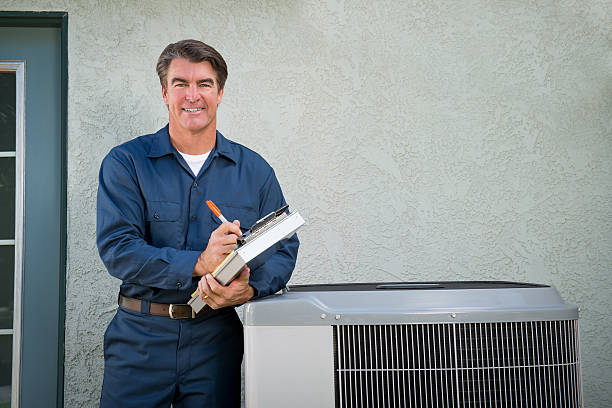
Air Conditioner Repairman Air conditioner repairman in uniform and a clipboard. ac technician stock pictures, royalty-free photos & images

Growing and improving your HVAC contracting business requires a combination of strategic planning, operational efficiency, and a deep understanding of industry trends. Below are four proven strategies that can help you take your HVAC business to the next level.

1. Focus on Customer Satisfaction and Retention

  • Provide consistent communication: Keep your clients informed about service appointments, costs, and maintenance tips.
  • Offer flexible service plans: Customizable maintenance plans can help retain clients over the long term.
  • Request feedback: Use surveys or follow-up calls after completing a job to identify areas for improvement.
  • Invest in loyalty programs: Incentivize repeat business by offering discounts or rewards for loyal customers.

By keeping your customers happy, you not only build long-term relationships but also increase word-of-mouth referrals.

2. Leverage Technology to Improve Efficiency

  • HVAC-specific software solutions: These help with scheduling, dispatching technicians, managing invoices, tracking inventory, and reporting.
  • Smart thermostats and IoT devices: Offering modern technology solutions can set you apart from competitors.
  • Mobile apps for technicians: Equip your team with apps that provide real-time access to client information and job updates.
Technology Tool Benefit
Scheduling & Dispatch Software Reduces delays; improves time management
Smart Thermostats & IoT Devices Attracts tech-savvy customers
Mobile Technician Apps Enhances field productivity

Investing in these technologies ensures streamlined operations while delivering better services to clients.

3. Expand Services to Include New Revenue Streams

  • Energy efficiency audits
  • Indoor air quality assessments
  • Installation of alternative energy systems like heat pumps or solar-powered HVAC units
  • Commercial refrigeration services

Consider conducting market research to identify underserved areas within your target market. By expanding into niche sectors or related services, you can differentiate yourself from competitors while increasing profitability.

4. Prioritize Employee Training and Development

  • Encouraging certifications from organizations like NATE (North American Technician Excellence) or EPA (Environmental Protection Agency).
  • Hosting regular training sessions on emerging technologies such as energy-efficient systems or smart home integrations.
  • Developing leadership programs for senior technicians who show potential for management roles.

A well-trained workforce ensures high-quality service delivery, better safety compliance, and improved customer satisfaction.

Wrapping Up: Expert Tips for AC Repair Miami Residents

By focusing on customer retention strategies, adopting new technologies, diversifying services, and investing in employee development, you create a solid foundation for growth in the HVAC contracting industry. These efforts not only enhance day-to-day operations but also position your business as a leader in an increasingly competitive market.

Advanced Miami HVAC Solutions for Modern Contracting Success

Exploring the Benefits of Advanced HVAC Technology with a Leading HVAC Company in Miami, FL

Adopting state-of-the-art tools and systems offers various benefits, including:
Energy Efficiency: Technologies like smart thermostats and variable refrigerant flow (VRF) systems optimize energy use, lowering utility costs for customers.
Improved Diagnostics: IoT-enabled devices and sensors help contractors pinpoint system issues more accurately, reducing service times.
Enhanced Comfort: Advanced systems adapt to environmental changes dynamically, offering better heating and cooling experiences for clients.
Cost Savings: Predictive maintenance technology allows contractors to address potential failures before they occur, minimizing costly repairs or replacements.

Top Technologies to Consider for AC Replacement Miami

  1. Smart thermostats allow customers to control their heating and cooling remotely using mobile apps or voice commands through devices like Alexa or Google Assistant.
  2. These systems provide real-time energy usage reports, enabling homeowners to make informed decisions about their consumption habits.
  3. Internet of Things (IoT) technology connects HVAC units with sensors that monitor temperature, humidity, and air quality continuously.
  4. Contractors benefit from receiving alerts on system performance issues in real-time, allowing proactive interventions.
  5. Tools like Wrightsoft or Elite Software streamline load calculations and ductwork designs based on project specifications.
  6. This reduces errors during installation while improving overall project timelines.
  7. ERVs efficiently exchange indoor stale air with fresh outdoor air while conserving energy used for conditioning the airflow. These are especially popular in green building projects.
  8. Ductless mini-splits are becoming a leading choice for modern installations due to their flexibility in zoning spaces without requiring ductwork modifications.

Implementing Technology Into Your Business

  • Assess Current Capabilities: Conduct a comprehensive review of your current tools and equipment to identify gaps that could be addressed by new technologies.
  • Invest in Training: Ensure technicians receive proper training on how to install, operate, and maintain advanced systems like smart thermostats or VRF units.
  • Educate Customers: Showcase the long-term benefits of these technologies during consultations with clients by providing return-on-investment analyses or case studies.
  • Partner with Manufacturers: Establish partnerships with leading equipment manufacturers who can provide insights into the latest trends and offer exclusive product access.
  • Leverage Data Analytics Tools: Use software platforms that analyze customer data trends such as frequent service requests or seasonal needs to optimize service plans effectively.

Challenges Contractors May Face

Challenges Mitigation Strategies
High Initial Investment Explore financing options through manufacturer programs or lease plans for the equipment needed.
Learning Curve Organize regular workshops or partner with accredited training programs.
Customer Resistance Educate clients about cost savings over time via personalized consultations.

Modernizing your operations by adopting cutting-edge HVAC technologies is essential for staying ahead in a competitive market while meeting evolving customer expectations effectively.

Utilizing Cutting-Edge HVAC Software Solutions to Streamline Contractor Services

In the competitive world of HVAC contracting, adopting modern software solutions can significantly enhance operational efficiency, improve customer satisfaction, and drive profitability. Leveraging cutting-edge software tools ensures that HVAC contractors can streamline their services while staying ahead in an ever-evolving industry. Below is an overview of how these solutions can transform your business.

Benefits of Using HVAC Software

  1. Optimize technician schedules to reduce downtime.
  2. Automate dispatching based on technician availability and proximity to job sites.
  3. Improve response times for emergency service calls.
  4. Centralized access to customer information (e.g., service history, equipment details).
  5. Faster resolution of client queries using detailed records.
  6. Personalized follow-ups and service reminders to build long-term relationships.
  7. Track parts and equipment in real-time across multiple locations or vehicles.
  8. Reduce delays caused by missing or misplaced inventory items.
  9. Anticipate restocking needs using data-driven insights.
  10. Streamline invoicing with automated billing systems linked to completed jobs.
  11. Offer multiple payment methods (e.g., credit cards, online transfers) for customer convenience.
  12. Minimize billing errors with pre-built templates and integrated accounting systems.

Key Features to Look for in HVAC Software

Air conditioner repairman working on an outdoor unit Man working on AC unit ac technician stock pictures, royalty-free photos & images

Feature Description Benefits
Scheduling Tools Calendar integration, drag-and-drop interface for managing jobs Saves time; reduces scheduling conflicts
GPS Tracking Real-time tracking of technicians’ locations Improves dispatch accuracy
Mobile Accessibility Cloud-based platform accessible via mobile devices Enables work-from-anywhere flexibility
Reporting & Analytics Customizable dashboards providing insights into performance metrics Facilitates data-driven decision-making
Customer Portals Self-service options where clients can book services or review invoices Enhances customer convenience

Actionable Steps to Implement HVAC Software Solutions

  1. Evaluate Business Needs: Assess your existing workflows, identify inefficiencies, and determine which features would best address your company’s pain points.
  2. Choose the Right Platform: Compare available software solutions based on pricing, scalability, support services, and compatibility with existing systems.
  3. Train Your Team: Provide detailed training sessions for employees on how to maximize the use of the chosen platform.
  4. Monitor Performance Metrics: Regularly review key performance indicators (KPIs) such as job completion rates, customer satisfaction scores, and revenue growth after implementation.
  5. Iterate and Improve: Use analytics data from the software to refine workflows over time.

Popular HVAC Software Options

  • Service Titan: A comprehensive platform offering scheduling tools, GPS tracking, marketing automation features, and reporting capabilities.
  • Housecall Pro: Known for its user-friendly interface with tools for dispatching jobs, managing payments, and generating estimates.
  • Field Edge: Provides robust CRM functionalities along with real-time QuickBooks integration.
  • Jobber: Ideal for smaller businesses looking for streamlined task management without much complexity.

Modernizing your operations through cutting-edge HVAC software solutions not only boosts efficiency but also provides a competitive edge in meeting customer expectations efficiently while maintaining profitability levels across all aspects of your business operations.

4 Proven Strategies to Improve and Expand Your HVAC Contracting Business

Improving and expanding your HVAC contracting business requires a combination of strategic planning, adopting new technologies, and staying ahead in a competitive market. Here are four proven strategies to help you grow your business effectively.

1. Leverage Advanced HVAC Technology

  • Smart Thermostats: Offer installation of smart thermostats that allow customers to control their heating and cooling remotely.
  • Energy-Efficient Systems: Promote the use of energy-efficient HVAC units that reduce utility costs for clients while meeting environmental standards.
  • IoT Connectivity: Enable remote system monitoring through Internet of Things (IoT) solutions to enhance maintenance services.

By embracing technological advancements, your business can stand out as a modern and innovative service provider.

2. Invest in Team Training & Certification

  • Ongoing Education: Enroll employees in continuous training programs to learn about the latest systems, tools, and compliance requirements.
  • Specialized Certifications: Encourage technicians to obtain advanced certifications such as NATE (North American Technician Excellence) or EPA Section 608 for handling refrigerants.
  • Customer Relations Training: Train staff on effective communication with clients to improve customer experience.

An emphasis on professional development not only builds trust with customers but also fosters employee loyalty.

3. Optimize Marketing Strategies

Marketing Tactic Description
Search Engine Optimization Optimize website content for local keywords related to HVAC services.
Social Media Campaigns Share educational content, promotions, and success stories on platforms like Facebook or Instagram.
Customer Referral Programs Offer discounts or incentives for clients who refer new customers.
Email Newsletters Provide tips on energy savings or seasonal maintenance schedules to stay connected with past clients.

Effective marketing creates a stronger presence in your community while attracting new leads.

4. Build Strong Customer Relationships

  • Prioritize exceptional customer service by being responsive and transparent.
  • Offer maintenance plans or annual service agreements that encourage ongoing engagement.
  • Use CRM (Customer Relationship Management) software to track client preferences and history for tailored services.

A satisfied customer base leads not only to repeat business but also valuable word-of-mouth referrals.

By combining these strategies—embracing technology, enhancing team skills, refining marketing tactics, and fostering meaningful client relationships—you can position your HVAC contracting business for long-term success in an increasingly competitive market.

Optimizing Marketing Strategies to Grow Your HVAC Contracting Business

Effective marketing strategies are key to the growth of any HVAC contracting business. With increasing competition in the HVAC industry, it is essential to leverage innovative and targeted marketing techniques that not only attract new customers but also retain existing ones. In this section, we’ll explore practical and proven approaches to optimize your marketing efforts.

Build a Strong Online Presence

  • Create a Professional Website: Ensure your website is user-friendly, mobile-optimized, and designed to showcase your services, customer reviews, and contact information.
  • Utilize Local SEO: Tailor your website’s content using keywords relevant to your location (e.g., “HVAC contractor in [your city]”). Claim and optimize your Google My Business profile as well.
  • Leverage social media: Platforms like Facebook, Instagram, and LinkedIn allow you to engage with potential clients through updates, promotions, and helpful tips about HVAC maintenance.

Invest in Content Marketing

Content marketing helps establish trust with prospective customers by providing valuable information that positions you as an expert in the field.

  • Educational Blog Posts: Write articles on topics such as “Signs Your HVAC System Needs Maintenance” or “Energy-Efficient Heating Solutions.”
  • Video Tutorials: Create short videos explaining common HVAC issues or demonstrating how certain systems work.
  • E-Newsletters: Keep customers engaged by regularly sharing seasonal tips for maintaining their systems or highlighting special offers.

Use Paid Advertising Effectively

Advertising Platform Benefits Example Use Case
Google Ads Targets users searching for services Promote seasonal tune-ups for heating systems.
Facebook Ads Customizable audience targeting Reach homeowners in specific age groups/regions.
Retargeting Campaigns Re-engages past website visitors Offer discounts on maintenance packages.

Leverage Customer Reviews and Testimonials

  • Encourage satisfied customers to leave reviews on platforms like Google, Yelp, or Houzz.
  • Feature testimonials prominently on your website.
  • Respond professionally to both positive and negative feedback online.

Offer Referral Programs

  • Provide discounts, free service calls, or gift cards as rewards for referrals.
  • Use easy-to-share referral codes or links that clients can share with family and friends.

Network Locally

  • Partner with real estate agents who may refer new homeowners needing HVAC inspections or installations.
  • Attend local trade shows or community events where you can showcase your services.

By implementing these strategies effectively, you can attract more customers while positioning your business as a leader in the HVAC industry.

The Importance of HVAC Certification and What It Means for Contractors

HVAC certification plays a critical role in the success, credibility, and growth of contractors in the heating, ventilation, and air conditioning industry. Whether you’re an established professional or just starting out, obtaining certification is essential to demonstrate expertise, ensure regulatory compliance, and build trust with clients. Below is an exploration of why HVAC certification matters and how it impacts contractors.

Why HVAC Certification Matters

  1. Credibility and Trust
    Certification proves that you have undergone rigorous training and are knowledgeable about industry standards. Homeowners and businesses tend to trust certified contractors more because they are confident in their ability to deliver quality services.
  2. Compliance with Regulations
    Many states require HVAC professionals to hold specific certifications before they can legally perform certain jobs. Without proper credentials, contractors risk fines or losing their license to operate.
  3. Enhanced Career Opportunities
    Certified contractors are often preferred by employers or clients for large-scale projects. Many commercial contracts mandate certifications as a prerequisite for bidding on projects.

Types of HVAC Certifications

Certification Type Description
EPA Section 608 Required for handling refrigerants in accordance with U.S. environmental laws.
NATE Certification Recognized as a mark of excellence in technical proficiency across the industry.
HVAC Excellence Certification Focuses on validating technical knowledge through challenging written exams.
State-Specific Licenses Each state may have unique requirements for operation as an HVAC contractor.

Benefits of Being Certified

  • Improved Skillset: Certification programs often enhance your technical knowledge and practical skills.
  • Higher Earnings Potential: Certified contractors typically command higher wages than uncertified ones.
  • Client Satisfaction: Clients feel reassured knowing they are working with a certified professional who adheres to safety standards.
  • Competitive Edge: In a competitive market, certification gives you an advantage when vying for jobs or expanding your business.

Steps to Become Certified

  1. Research the type of certification most relevant to your career goals (e.g., EPA 608 or NATE).
  2. Enroll in approved training programs offered by accredited institutions.
  3. Study industry-specific concepts such as refrigerant handling, electrical systems, and system diagnostics.
  4. Pass the required examinations administered by certifying bodies.
  5. Renew certifications periodically if required (e.g., every few years for EPA Section 608).

The Role of Certification in Professional Growth

Certification is not just about acquiring a credential; it represents a commitment to ongoing learning and staying updated with advancements in technology and regulations within the HVAC industry.

By investing in certification programs, contractors demonstrate their dedication to professionalism while ensuring they remain compliant with ever-evolving standards—benefiting both their career trajectory and their clientele.

How to Sell Your HVAC Contracting Business for Maximum Profitability

Selling your HVAC contracting business can be one of the most important decisions of your career. To ensure maximum profitability, it’s essential to prepare strategically and focus on key steps to make your business an attractive offering. Below is a guide that outlines critical considerations when preparing to sell your HVAC contracting business.

Evaluate and Enhance Business Value

  • Financial Documentation: Ensure that financial records are accurate, up-to-date, and transparent. This includes tax filings, income statements, balance sheets, and expense records.
  • Customer Base: Highlight recurring contracts or long-term clients that provide steady revenue streams.
  • Equipment & Vehicles: Maintain service trucks and tools in good condition to reflect operational efficiency.
  • Brand Reputation: Monitor online reviews, address negative feedback promptly, and emphasize a strong local reputation.

Create a Succession Plan

  • Employee Retention Strategies: Outline steps to retain skilled technicians who are critical to operations.
  • Training Programs: Provide documentation on training procedures for new staff or management transitions.
  • Customer Relationship Management (CRM): Ensure existing customer relationships can be smoothly transferred post-sale.

Understand Market Conditions

Timing matters when selling an HVAC contracting business. Research market conditions to ensure you sell during periods of high industry demand or economic growth.

Factors influencing market conditions include:

– Seasonal demand fluctuations in HVAC services.

– The strength of the local real estate market (new housing developments often increase demand for contractors).

– Industry trends such as energy-efficient technology adoption.

Analyzing these factors helps you better position your company for sale at a favorable time.

Key Market Indicators Impact on Sale Timing
Rising construction activity Increased buyer interest
Demand for green energy solutions Higher valuation potential
Economic downturns Lower valuations

Seek Professional Assistance

  1. Business Brokers – They specialize in connecting sellers with qualified buyers while negotiating fair terms.
  2. Accountants & Financial Advisors – To prepare accurate valuations and minimize tax liabilities associated with the sale.
  3. Legal Counsel – Ensures compliance with local laws during ownership transfer agreements.

Highlight Unique Selling Points (USPs)

  • Adoption of cutting-edge technologies like smart thermostats or air quality monitoring systems.
  • Special certifications (e.g., ENERGY STAR partnerships) or unique expertise in niche markets like geothermal systems installation.
  • An established digital presence through marketing channels such as websites or social media platforms.

Focusing on these strategies ensures you maximize profitability while presenting your HVAC contracting business as a valuable investment opportunity.

Developing Leadership Skills Through Specialized HVAC Training Programs

Strong leadership is a cornerstone of any successful business, and the HVAC industry is no exception. For contractors looking to grow their business, improve team performance, and adapt to the evolving challenges in the field, developing leadership skills through specialized HVAC training programs can be transformative. Below, we outline the benefits of such programs and how they can help you thrive as an HVAC contractor.

Why Leadership Skills Matter in HVAC Contracting

  • Team Management: Motivating and guiding technicians to deliver consistent quality work while fostering a positive work environment.
  • Conflict Resolution: Addressing workplace disputes or customer complaints with professionalism.
  • Decision-Making: Making informed decisions under pressure regarding budgets, resources, or scheduling.
  • Client Relationships: Building trust with customers by providing clear recommendations and ensuring satisfaction.

Core Leadership Skills for HVAC Professionals

  1. Conveying technical information in a way that’s easy for clients or team members to understand.
  2. Providing clear instructions on job sites to ensure tasks are completed efficiently.
  3. Balancing multiple projects without compromising on quality.
  4. Prioritizing urgent tasks while delegating appropriately.
  5. Tackling unexpected issues like equipment malfunctions or scheduling conflicts head-on.
  6. Analyzing market trends to expand service offerings or adjust pricing structures.

Types of Specialized Training Programs

  • Workshops and Seminars: Short-term training sessions focusing on specific aspects of leadership like conflict resolution or team motivation.
  • Online Courses: Flexible programs that cover both fundamental skills like communication and advanced topics such as strategic planning.
  • Apprenticeships: Hands-on mentorship opportunities that allow contractors to learn directly from experienced leaders in the field.
  • Certifications Programs: Industry-recognized certifications (e.g., NATE’s Leadership Academy) designed to instill both technical proficiency and management abilities.
Program Type Key Benefits Time Investment
Workshops/Seminars Targeted skill improvement 1–3 days
Online Courses Flexible learning at your own pace 2–6 weeks
Apprenticeships Hands-on experience with seasoned leaders Several months
Certification Programs Comprehensive leadership development Varies (12+ weeks)

Benefits of Leadership Training in Your Business

  • Boosts team productivity by fostering a collaborative environment.
  • Improves client retention through stronger communication skills.
  • Enhances decision-making abilities during complex projects.
  • Positions you as an authority figure within your field, increasing credibility with customers.

By dedicating time to improving your leadership capabilities, you not only advance your career but also set your business apart from competitors looking solely at technical growth.


9 Signs You Need Air Conditioning Repair Miami Residents Can Trust

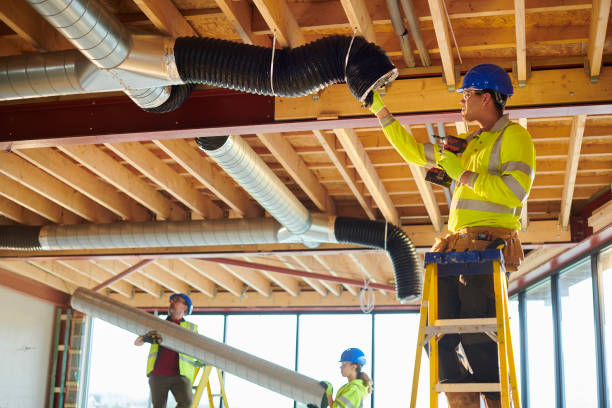
air conditioning duct install air conditioning duct install ac technician stock pictures, royalty-free photos & images

An air conditioning system plays a critical role in keeping your home comfortable, especially during hot months. Over time, wear and tear can cause issues that require immediate attention. Recognizing these signs early can help you avoid costly repairs or even complete system failure.

If your AC struggles to maintain the desired temperature despite running continuously, it could be a sign of an aging unit or underlying mechanical issues like a failing compressor.

A noticeable reduction in airflow from the vents often points to problems with the blower fan, clogged ducts, or dirty filters.

Does your air conditioner turn on and off more frequently than usual? This short-cycling could indicate thermostat issues, refrigerant leaks, or improper unit sizing.

An unexplained increase in your energy bills could point to an inefficient system that is working harder than necessary due to age or malfunctioning components.

Month Energy Bill Before Issue Energy Bill After Issue
June $120 $190
July $125 $220

Grinding, squealing, or banging noises are not normal operational sounds for an AC unit and may signal internal damage such as loose parts or motor failure.

Foul smells coming from your AC could result from mold growth in ducts or electrical issues causing overheating components.

Pooled water around the indoor unit might indicate refrigerant leaks or drainage problems that require urgent attention.

Most air conditioning systems have a lifespan of 10–15 years with proper maintenance. Units beyond this age are more prone to frequent breakdowns and reduced efficiency.

If you’re calling your HVAC contractor multiple times a year for repairs, it might be more economical to replace the entire system instead of continually patching it up.

AC Repair Miami: Should You Repair or Replace?

  • Age of the Unit: Older systems nearing the end of their lifespan are better off being replaced.
  • Cost of Repairs: If repair costs exceed half the cost of a new unit, replacement is usually more practical.
  • Efficiency Concerns: Upgrading to a modern energy-efficient model can save on utility costs in the long run.

Consider consulting with an experienced HVAC contractor who can assess your system and recommend tailored solutions based on its condition and performance needs.

By staying proactive and addressing these signs promptly, homeowners can ensure their cooling systems operate efficiently while avoiding expensive emergencies down the road.

Troubleshooting Cooling Issues with Your Air Conditioning Unit: Tips from an HVAC Company Miami, FL

A properly functioning air conditioning (AC) system should consistently maintain the desired temperature in your home, even during the hottest days. If your unit is failing to cool adequately, there could be several underlying factors at play. Understanding these issues and their solutions will help you determine whether you need a repair or replacement by a professional HVAC contractor.

Common Reasons for Insufficient Cooling

  1. A clogged air filter can restrict airflow, making it harder for your AC to distribute cool air effectively.
  2. Replace or clean air filters every 30-90 days, depending on usage and manufacturer recommendations.
  3. The refrigerant is essential for cooling the air. Insufficient levels often indicate a leak, which needs immediate attention from an HVAC specialist.
  4. Signs of low refrigerant include ice forming on the unit or warm air blowing from vents.
  5. Older systems lose efficiency over time and may struggle to meet cooling demands.
  6. Units over 10-15 years old may require frequent repairs and are less energy efficient than newer models.
  7. Dirt and debris can accumulate on outdoor condenser coils, reducing heat exchange efficiency.
  8. Regular maintenance ensures optimal performance and prevents such buildup.
  9. Incorrect thermostat settings or malfunctioning thermostats can cause inconsistent cooling.
  10. Ensure the thermostat is set to “cool” mode and is calibrated correctly.
  11. Air leaks in ducts can cause significant loss of conditioned air before it reaches your living space.
  12. Sealing ducts improves airflow and overall system efficiency.
  13. If your AC is too small for the size of your home, it will struggle to cool effectively.
  14. Consulting an HVAC contractor can help determine whether your current system meets your home’s cooling requirements.

Steps to Diagnose Cooling Issues

Issue Possible Cause Recommended Action
Weak Airflow Dirty filters, duct leaks Clean/replace filters; seal ducts
Warm Air From Vents Low refrigerant Contact HVAC professional for inspection
Inconsistent Cooling Thermostat problem Check settings; replace if necessary
High Energy Bills Aging system Consider an energy-efficient upgrade

Preventative Measures

  • Schedule annual maintenance with a licensed HVAC contractor to identify potential problems early.
  • Keep outdoor units free of debris like leaves, dirt, and grass clippings.
  • Install a programmable thermostat for better control over indoor temperatures.

By addressing these issues promptly, you can restore comfort to your home while improving energy efficiency and extending the lifespan of your cooling system. For professional guidance tailored to your specific situation, consulting with an experienced HVAC contractor is always recommended.

Tips for Identifying When You Need an AC Replacement Miami Residents Can Rely On

Strange noises and unpleasant odors emanating from your HVAC system are clear signs that something isn’t right. These issues can not only disrupt the comfort of your home but also signify underlying mechanical problems that may lead to costly repairs if left unaddressed. Below, we explore the common causes, solutions, and when to seek professional assistance.

Common Causes of Unpleasant Odors in Your HVAC System

Unpleasant smells coming from your HVAC system often indicate specific problems.

  • Mold or Mildew: A musty smell can be caused by mold growth in the ductwork or condensate drain pan due to excess moisture.
  • Rotten Egg Smell: This may indicate a natural gas leak, which is dangerous and requires immediate attention from professionals.
  • Dirty Air Filters: Clogged air filters can trap dust, debris, and other particles that produce foul smells over time.

Common Causes of Strange Noises in Your HVAC System

Unusual sounds from an HVAC system should never be ignored.

  • Banging or Clanking: Loose or broken parts inside the system may cause banging sounds when operating.
  • Squealing: This sound is often tied to worn-out fan belts or motor bearings.
  • Clicking: Persistent clicking may point to electrical issues within the unit’s circuit board or relays.
  • Humming: A buzzing sound could stem from loose wiring, an electrical malfunction, or fan motor issues.

How to Address These Problems

  1. Replace filters every 1–3 months to prevent clogging and ensure clean airflow.
  2. Consider higher-efficiency filters if odor problems persist.
  3. Schedule regular duct cleaning services to remove mold accumulation.
  4. Seal leaks in ductwork where moisture might enter.
  5. Tighten loose screws or components if you’re able to safely access them.
  6. Listen for unusual noises during operation and isolate their source (e. g. , blower fan).
  7. Hire an expert if there’s evidence of wire damage, refrigerant leaks, or persistent odors/noises.
  8. Annual maintenance visits can help identify potential problems before they escalate.

When It’s Time for Replacement Instead of Repair

Sign Recommendation Why It Matters
Frequent breakdowns Replace Saves money on recurring repair costs long-term
System age > 10–15 years Replace Older units operate less efficiently over time
Persistent strange smells/noises despite repairs Replace Indicates fundamental mechanical failures

Addressing unpleasant odors and strange noises immediately not only ensures a more comfortable living environment but also prolongs the life of your HVAC unit while maintaining energy efficiency levels at their peak performance.

Top Frequently Asked Questions About AC Replacement and How an HVAC Contractor Can Help

When it’s time to replace your air conditioning system, homeowners often have a variety of questions regarding costs, timing, and process. Understanding these frequent questions can help you make informed decisions. Below is a detailed look at the most common inquiries about AC replacement and how an HVAC contractor can assist.

Air conditioner, building maintenance and teamwork with tablet, smile and development with engineer team. Engineering man, repair woman and digital tech in portrait with collaboration for ac repair Air conditioner, building maintenance and teamwork with tablet, smile and development with engineer team. Engineering man, repair woman and digital tech in portrait with collaboration for ac repair ac technician stock pictures, royalty-free photos & images

What Are the Signs That I Need to Replace My AC Unit?

AC systems don’t last forever and will eventually show signs of wear.
Frequent Repairs: If you find yourself calling for service every few months, it may be more cost-effective to invest in a new unit.
Age of the System: Most HVAC units last between 10-15 years. If yours is older, efficiency issues are likely.
Rising Energy Bills: Older systems consume more energy, leading to higher utility costs despite regular maintenance.
Uneven Cooling: If some rooms are drastically warmer or cooler than others, your system might not be functioning efficiently.

Is It Better to Replace or Repair My AC?

Homeowners are often torn between repairing their current unit or investing in a new one.

Scenario Recommended Action
The repair cost exceeds 50% of the replacement cost Replace the unit
System is less than 10 years old and repair is minor Opt for repair
The system uses outdated refrigerants like R-22 Replace for efficiency

An experienced HVAC contractor can evaluate your system and provide detailed recommendations based on its condition.

How Can an HVAC Contractor Assist During Replacement?

Partnering with a licensed HVAC contractor ensures that the entire process is smooth and efficient.

  1. Assessment of Needs: Contractors evaluate your home size, insulation quality, and climate zone to recommend an appropriately sized unit.
  2. Energy-Efficient Options: They guide you through selecting energy-efficient models that align with your budget.
  3. Proper Installation: Proper installation ensures optimal performance and longevity of the unit.
  4. Post-Installation Maintenance: Many contractors offer maintenance plans to extend the life of your new system.

What Should I Look for in a New AC Unit?

When replacing your air conditioning system, consider these key factors:

SEER Rating (Seasonal Energy Efficiency Ratio): Higher SEER ratings indicate better energy efficiency.

Size Matching Your Home Needs: An undersized or oversized unit can lead to inefficiency or uneven cooling.

Noise Levels: Choose models with low decibel levels for quieter operation.

Warranty Coverage: Look for systems offering strong warranties on crucial components like compressors.

Consulting with an experienced contractor ensures that you select a model tailored specifically to your needs.

Are Financing Options Available?

Many homeowners are concerned about the upfront cost of replacing their AC units. Most HVAC contractors offer flexible financing options or partner with financial institutions to provide payment plans that fit within different budgets.

Replacing an air conditioning system can feel overwhelming without expert guidance; however, working closely with a reputable HVAC contractor simplifies each step—from assessing your current setup to choosing and installing a new energy-efficient model tailored specifically for your home’s needs.

The Importance of Replacing an Old AC Unit: Is It Cheaper to Repair or Replace?

When faced with a malfunctioning air conditioning (AC) unit, homeowners often grapple with the decision of whether to repair the existing system or replace it entirely. While repairs may seem like the more cost-effective option initially, there are various factors to consider that may make replacement a more practical and financially sound choice in the long run.

Factors to Consider for Repair vs.

  1. Most AC units have a lifespan of 10–15 years. If your system is nearing or exceeding this range, replacement is often more cost-effective than investing in frequent repairs.
  2. Older units are less efficient compared to modern systems, leading to higher energy bills.
  3. Calculate how much you’ve spent on repairs over the past few years. If repair costs add up to 50% or more of the cost of a new system, replacement is generally recommended.
  4. Frequent breakdowns not only cause inconvenience but may also indicate underlying issues that cannot be fully resolved through repairs.
  5. Older AC systems typically have lower Seasonal Energy Efficiency Ratio (SEER) ratings compared to newer models. Units with a SEER rating below 13 are considered outdated under modern efficiency standards.
  6. Upgrading to a high-efficiency model can save you money on energy bills while reducing your carbon footprint.

Benefits of Replacing an Old AC Unit

  • Lower Energy Bills
    New HVAC units consume less energy due to advancements in technology, which means significant savings over time on your utility bills.
  • Improved Indoor Comfort
    Modern systems maintain consistent temperatures and manage humidity levels better than older equipment.
  • Eco-Friendliness
    Newer models use environmentally friendly refrigerants like R-410A instead of older options like R-22 (which has been phased out due to environmental concerns).
  • Fewer Repairs and Maintenance Costs
    A new unit will likely require fewer repairs and come with a warranty, giving you peace of mind during its early years.
Consideration Repair Option Replacement Option
System Age Suitable for units under 10 years old Recommended for systems over 10–15 years
Immediate Cost Lower initial cost Higher upfront investment
Long-Term Savings Limited savings Significant reduction in energy bills
Environmental Impact May use outdated refrigerants Uses eco-friendly refrigerants

Situations Where Repair May Be Enough

  1. The system is relatively new and has not required frequent servicing.
  2. The issue is minor, such as replacing a capacitor or fixing electrical connections.
  3. The repair costs are low compared to buying a new unit.

When Replacement Becomes Essential

  • Escalating energy costs despite regular maintenance.
  • Persistent performance issues such as uneven cooling or excessive noise.
  • Difficulty finding compatible parts due to outdated technology.

Making an informed decision requires evaluating both immediate needs and long-term savings potential. Consulting with an HVAC contractor ensures expert guidance tailored specifically to your system’s condition and household requirements.

Signs Your Miami HVAC System Needs Replacement: Water Leaks and High Energy Bills

Water leaks and rising energy bills can be subtle yet critical signs that your HVAC system is no longer functioning efficiently. Ignoring these warning signs can lead to more significant problems, such as structural damage from water accumulation or hefty monthly utility costs. Here’s a closer look at how these issues indicate it’s time to consider replacing your HVAC system.

Signs of Water Leaks in Your HVAC System

Water leaks from your HVAC system are often caused by internal malfunctions or clogged components.

  • Clogged Condensate Drain Line: The condensate drain line removes excess moisture.
  • Frozen Evaporator Coil: A malfunctioning evaporator coil may freeze and cause water to overflow once it melts.
  • Damaged Drain Pan: Over time, the drain pan can corrode or crack, leading to leaks.

Increased Energy Bills as a Warning Sign

A sudden surge in energy costs is another strong indicator that your HVAC system is underperforming. Older units lose efficiency over time, forcing them to work harder to maintain desired temperatures.

  • Worn-Out Components: Aging motors, fans, or compressors may consume more energy as they struggle to function optimally.
  • Poor Insulation in Ductwork: Deteriorated duct insulation causes air loss, requiring the system to use more energy.
  • Outdated Technology: Modern HVAC systems are equipped with energy-efficient features like variable-speed compressors that older systems lack.

Replacing an old unit with a modern energy-efficient model can significantly reduce electricity consumption and save money in the long run.

When Is It Time for Replacement?

While minor issues like clogged drains or loose connections might only require repairs, persistent leaks and consistently high utility bills often point toward the need for a replacement.

Criteria Repair Suitable? Replacement Needed?
System is over 10-15 years old No Yes
Frequent repairs needed (2+ per year) No Yes
Energy bills consistently increasing Possibly Yes
Water damage persists after repairs No Yes

Benefits of Replacing Your HVAC System

  • Improved air quality by eliminating accumulated dust or mold.
  • Enhanced energy efficiency through advanced technologies like smart thermostats.
  • Greater reliability with fewer breakdowns and repair needs.

Working with a professional HVAC contractor ensures precise installation and helps you select an appropriate unit tailored to your home’s needs. Addressing water leaks and rising utility expenses promptly prevents long-term damage while improving overall comfort and efficiency.


Comprehensive Guide to AC Repair Miami: Top Solutions for Service and Replacement

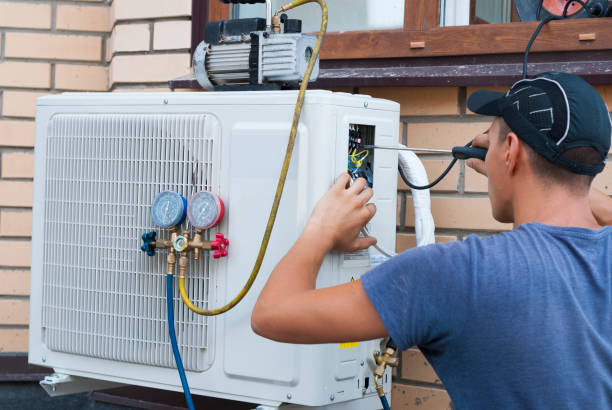
installation of the outdoor unit air conditioner the worker installs the outdoor unit of the air conditioner on the wall of the house ac technician stock pictures, royalty-free photos & images

HVAC contractors play an essential role in maintaining, repairing, and replacing heating, ventilation, and air conditioning systems. These professionals are critical for ensuring that homes and businesses remain comfortable and energy-efficient year-round. Below is a detailed look at the key solutions HVAC contractors offer for service and replacement needs.

Routine Maintenance Services

  • System Inspections: Comprehensive checks of system components such as filters, coils, fans, and refrigerant levels to ensure optimal performance.
  • Filter Replacement: Cleaning or replacing air filters to improve indoor air quality and enhance airflow efficiency.
  • Calibration of Thermostats: Ensuring thermostats are calibrated correctly to maintain accurate temperature readings.
  • Ductwork Assessments: Checking for leaks or blockages in ductwork that could impact system efficiency.

Repair Services for Malfunctioning Systems

  • Fixing Refrigerant Leaks: Identifying and sealing leaks while recharging refrigerant levels as necessary.
  • Replacing Faulty Components: Repairing or replacing damaged parts like motors, capacitors, compressors, or heat exchangers.
  • Addressing Electrical Issues: Troubleshooting wiring problems or circuit failures within the system’s electrical connections.
  • Resolving Airflow Problems: Diagnosing issues related to poor airflow caused by duct obstructions or failing blower motors.

System Replacements and Upgrades

  1. Recommending modern systems with higher SEER (Seasonal Energy Efficiency Ratio) ratings.
  2. Highlighting energy-saving features such as variable-speed motors or smart thermostat compatibility.
  3. Conducting load calculations to ensure the new system is appropriately sized for the property.
  4. Avoiding oversized or undersized units that could lead to inefficiency or premature wear.
  5. Suggesting environmentally friendly options like geothermal heat pumps or ductless mini-split systems.
  6. Advising on eco-conscious refrigerants with lower global warming potential (GWP).
Feature Traditional Systems Modern Systems
Energy Efficiency Moderate (SEER 10–16) High (SEER 16+; up to 25)
Noise Levels Noticeable Quiet Operation
Smart Integration Limited Advanced Controls

Emergency Services Availability

  • Total system failure during peak heating/cooling seasons.
  • Refrigerant leaks leading to safety concerns.
  • Gas furnace malfunctions causing carbon monoxide risks.

By addressing both routine care and urgent needs effectively, HVAC contractors ensure client satisfaction while prolonging the lifespan of heating and cooling systems.

Exploring the Role of Miami HVAC Experts in Commercial Construction Projects

HVAC contractors play a crucial role in the success of commercial construction projects. Their expertise ensures that buildings meet not only regulatory standards but also the comfort and efficiency needs of occupants. Below, we explore why HVAC contractors are indispensable in commercial construction and the key contributions they make.

Expert HVAC Company Miami, FL: Ensuring Energy Efficiency and Compliance

Commercial buildings are subject to stringent energy efficiency codes and environmental regulations. HVAC contractors:
– Design systems that optimize energy consumption, lowering utility costs for building owners.
– Ensure compliance with local, state, and federal guidelines regarding air quality, emissions, and system performance.
– Recommend advanced equipment like high-efficiency heat pumps or variable refrigerant flow (VRF) systems to reduce carbon footprints.

By prioritizing these factors, contractors help businesses avoid penalties while promoting sustainable operations.

Expert AC Replacement Miami Services with Superior System Design Expertise

Proper HVAC system design is critical for large-scale projects like office complexes, retail centers, or warehouses. HVAC professionals:
– Analyze building layouts to determine appropriate heating, ventilation, and cooling loads.
– Tailor solutions for specialized areas such as data centers or laboratory spaces with unique climate control needs.

– Collaborate with architects and engineers to integrate ductwork and equipment without disrupting structural aesthetics or functionality.

Such tailored designs translate into long-term cost savings for property owners.

Collaboration Across Teams

HVAC contractors act as key collaborators during commercial construction by working closely with different teams:
| Team Involved | Role of HVAC Contractor |
|——————————|———————————————————–|
| Architects | Ensuring designs accommodate ductwork and mechanical systems seamlessly |
| Electrical Engineers | Coordinating power requirements for complex equipment |
| Construction Managers | Aligning HVAC installations with project timelines |

This level of coordination minimizes delays while ensuring that systems are installed correctly from the outset.

Post-Installation Support

The role of an HVAC contractor doesn’t end once a system is installed. Post-installation services include:
1. Conducting thorough testing to confirm operational efficiency.

2. Training facility managers on proper system maintenance protocols.

3. Offering ongoing service agreements to ensure peak performance over time.

These efforts reduce downtime for businesses while extending equipment lifespans.

Addressing Custom Requirements

Modern commercial projects often involve custom considerations such as smart technology integrations or LEED certifications. Here’s how HVAC contractors add value:
– Installation of integrated building automation systems (BAS) for centralized climate control.

– Designing solutions that meet green building standards for environmentally conscious companies.

– Adapting systems for scalability as business needs evolve over time.

This adaptability ensures that facilities remain functional and efficient long after construction is complete.

By providing expertise in design, installation, compliance, and ongoing support, HVAC contractors contribute significantly to the success and longevity of commercial construction ventures. Their ability to balance technical requirements with client needs makes them invaluable partners in any large-scale project.

Optimizing Air Conditioning Repair Miami Services with Advanced HVAC Contractor Field Management Tools

Efficiency and organization are crucial for HVAC contractors, especially when managing multiple projects, scheduling service calls, and overseeing teams in the field. Advanced HVAC contractor field management tools have become indispensable for streamlining operations. From scheduling optimization to inventory management, these tools empower contractors to improve workflows while enhancing customer satisfaction.

Key Features of HVAC Field Management Tools

  • Scheduling and Dispatching
    Efficiently assign technicians to jobs based on their skill sets, location, and availability. Advanced software uses smart algorithms to optimize routes, saving time and reducing fuel costs.
  • Work Order Management
    Create, assign, and monitor work orders in real-time. This ensures that no task falls through the cracks and provides a clear overview of pending, in-progress, or completed jobs.
  • Inventory Tracking
    Keep track of parts and equipment inventory across job sites or warehouses. Accurate inventory tracking minimizes downtime caused by missing parts.
  • Mobile Accessibility
    Enable technicians to access schedules, customer information, work orders, and other critical data on their mobile devices while on-site.
  • Customer Relationship Management (CRM)
    Store detailed customer records including service history, equipment details, contact preferences, and more. This helps provide personalized service while building long-term client relationships.

HVAC Technician Working on Air Conditioning Unit Outdoors on a Sunny Day A technician repairs an air conditioning unit outside, meticulously organizing tools in a bag while seated on the grass. ac technician stock pictures, royalty-free photos & images

Benefits of Utilizing Field Management Tools

Benefit Description
Improved Efficiency Automate repetitive tasks like scheduling or invoicing to save time.
Enhanced Communication Real-time updates between office staff and technicians in the field.
Reduced Errors Minimize miscommunications or delays with streamlined workflows.
Better Resource Allocation Optimize technician assignments for more effective use of labor resources.
Increased Customer Satisfaction Deliver faster service with accurate scheduling and communication processes.

Practical Tips for Implementation

  1. Assess Your Current Needs
    Identify pain points in your current operations—whether it’s scheduling conflicts or inventory mismanagement—and prioritize features that address those issues.
  2. Invest in Training
    Ensure your team is adequately trained to use the software effectively. Many providers offer tutorials or support during onboarding.
  3. Start Small
    Begin implementation with a pilot group before rolling out company-wide usage to identify any challenges early on.
  4. Integrate with Existing Systems
    Look for tools that integrate seamlessly with accounting software or CRM systems already in place.
  5. Monitor Performance Metrics
    Track key performance indicators (KPIs) such as job completion times or first-time fix rates to measure the impact of the tool over time.

The Future of HVAC Operations

As technology continues to advance at a rapid pace, embracing modern solutions is essential for businesses looking to maintain a competitive edge in the HVAC industry. By leveraging advanced field management tools effectively, contractors can streamline operations while delivering exceptional value to customers—positioning themselves as leaders in an increasingly dynamic market landscape.

Why HVAC Contractors Need Comprehensive Insurance Coverage and How to Choose the Best Policies

HVAC contractors work in an industry filled with unique challenges, ranging from complex installations to unforeseen accidents on job sites. Comprehensive insurance coverage is not just a necessity—it’s a safeguard for your business. The right insurance policies protect against financial losses, mitigate risks, and instill trust in your customers. Here’s an in-depth look at why HVAC contractors need insurance coverage and how to choose the best policies for their business.

Key Reasons HVAC Contractors Need Insurance

  1. HVAC work often involves installing or repairing systems that can directly impact a client’s property or safety. General liability insurance protects your business from claims of property damage or bodily injury caused by your work.
  2. Many states and municipalities require HVAC contractors to carry specific types of insurance as part of licensing requirements.
  3. HVAC professionals rely on expensive tools and machinery to get the job done. Equipment breakdown or theft can be costly without insurance protection.
  4. For businesses with employees, workers’ compensation insurance is critical to cover medical expenses and lost wages resulting from workplace injuries.
  5. Having comprehensive insurance reassures clients that you are a reputable professional who prioritizes accountability and readiness for unexpected outcomes.

Types of Insurance Policies HVAC Contractors Should Consider

Policy Type What It Covers Why It’s Important
General Liability Property damage, bodily injury claims Protects against lawsuits or damages caused by faulty installations
Workers’ Compensation Medical care, lost wages for injured employees Ensures employee safety while meeting legal obligations
Commercial Auto Insurance Vehicles used for transporting tools and materials Covers damages or accidents involving company vehicles
Tools & Equipment Coverage Replacement/repair costs for essential tools Protects the financial investment in your equipment
Professional Liability Errors in design, installation, or consultation Provides coverage for claims related to professional negligence

Factors to Evaluate When Choosing an Insurance Provider

  1. Industry-Specific Expertise
    Look for insurers who specialize in providing policies tailored specifically to the construction trades like HVAC contracting.
  2. Customizable Policies
    A good provider will allow you to customize coverage options based on the size of your business, your geographic location, and areas of specialization.
  3. Financial Strength Ratings
    Ensure that the insurer has strong financial stability by checking ratings from agencies like AM Best or Standard & Poor’s.
  4. Policy Limits & Deductibles
    Analyze policy limits carefully—choosing limits that adequately cover both minor incidents and catastrophic events—and consider how deductibles affect long-term costs.
  5. Customer Support Availability
    Opt for insurers with responsive claim processes, clear communication channels, and 24/7 support when emergencies arise.

Steps to Obtain Comprehensive Coverage

  • Conduct a risk assessment of your business operations.
  • Compare multiple quotes from different providers.
  • Consult an industry-specific broker if needed.
  • Review policy details closely before signing (e.g., exclusions or fine print).
  • Regularly reassess coverage needs as your business grows or evolves.

Investing time in securing proper insurance ensures peace of mind while enabling you to focus on delivering quality services without unnecessary risks hindering operations.

Exploring the Top Features of Cutting-Edge Technology for HVAC Contractors to Enhance Efficiency and Customer Satisfaction

In the evolving HVAC industry, technology plays a crucial role in improving both operational efficiency and customer satisfaction. Modern tools and software solutions empower HVAC contractors to streamline their workflow, reduce errors, and deliver exceptional service. Below is an exploration of some of the most impactful features of cutting-edge technology designed for HVAC professionals.

Smart Scheduling and Dispatching

Efficient scheduling is a cornerstone for any HVAC contractor. Advanced scheduling tools offer:
Real-time updates: Instantly adjust work orders as changes occur.
Route optimization: Reduce travel time with software that identifies the best routes for technicians.
Automatic reminders: Send appointment reminders to customers via email or SMS to minimize no-shows.

These tools not only help contractors stay organized but also ensure technicians arrive prepared, reducing delays and improving customer experience.

Mobile Access for Technicians

Mobile apps have revolutionized how technicians interact with job-related information on-site. Key features include:
– Access to work orders, equipment history, and customer records from mobile devices.
– Capability to upload photos or videos directly from job sites for better documentation.
– On-the-go invoicing where technicians can generate estimates or process payments immediately after completing a job.

This level of connectivity streamlines operations while making it easier for technicians to provide transparent communication with customers.

IoT Integration in HVAC Systems

Internet of Things (IoT) technology has introduced smart systems into the realm of HVAC services. Benefits include:
– Remote monitoring of system performance through smart thermostats and connected devices.
– Predictive maintenance alerts that notify contractors before potential breakdowns occur.
– Energy usage analytics that allow customers to optimize heating or cooling settings.

With IoT-enabled systems, contractors can transition toward proactive service models while offering more value to customers through energy-efficient solutions.

CRM Tools for Enhanced Customer Management

Customer Relationship Management (CRM) software simplifies how contractors manage client interactions over time by providing tools such as:
1. Centralized databases storing customer contact details, preferences, and history of service requests.

2. Automated follow-ups reminding clients about regular system maintenance needs.

3. Data-driven insights into client satisfaction levels that help identify areas for improvement.

Strong CRM capabilities ensure long-term relationships with customers by delivering personalized service experiences at every touchpoint.

Data Analytics for Better Decision-Making

Modern HVAC technologies are equipped with robust data analytics features that enable companies to measure key performance indicators (KPIs). Metrics such as average response times, technician performance rates, or seasonal trends in service calls can uncover new opportunities for growth or improvement.

Feature Benefit Example Use Case
Predictive Maintenance Alerts Prevent costly breakdowns Notify clients when air filters need changing
Route Optimization Save time on travel Identify shortest paths between appointments
Energy Usage Analytics Improve energy efficiency Provide tailored advice on reducing energy bills

By leveraging these insights strategically, contractors position themselves as proactive solution providers rather than reactive service operators.

Cloud-Based Document Storage

Gone are the days when paper-based documentation dominated operations. Cloud technology enables instant access to critical documents anytime from any device — invoices, repair logs, certifications — all hosted securely online.

Advantages include:

– Reduced risk of misplacing essential paperwork.

– Improved collaboration among team members accessing shared files.

– Faster processing times when handling permits or compliance documents required during projects.

Ensuring seamless document management helps HVAC teams complete projects faster while maintaining professional standards in recordkeeping practices.

By embracing these cutting-edge features in their workflows, HVAC contractors can enhance operational efficiency while exceeding customer expectations consistently over time.


Comprehensive Guide to Miami HVAC: Common Home AC Replacement Issues

Workers install air conditioning workers workers install air conditioning workers ac technician stock pictures, royalty-free photos & images

Replacing a home air conditioning (AC) system is a significant investment, and homeowners often encounter various challenges during the process. Understanding these common issues can help you navigate replacements more effectively, avoid delays, and ensure your home remains comfortable. Below is an overview of the most common AC replacement problems and tips to address them.

One of the most frequent issues involves installing an air conditioning unit that’s either too small or too large for the space it serves.

  • Under-Sized Systems: These units struggle to cool your home adequately, leading to energy inefficiency and frequent breakdowns due to overuse.
  • Over-Sized Systems: Larger systems may cycle on and off frequently, causing uneven cooling, humidity imbalances, and higher energy bills.

Solution: Ensure a professional HVAC contractor performs a load calculation before selecting your new system. This involves evaluating factors such as square footage, insulation levels, windows, and climate conditions.

Even with a new AC unit installed, older or improperly designed ductwork can reduce its efficiency.

  • Leaks that allow cooled air to escape.
  • Insufficient insulation around ducts in unconditioned areas like attics.
  • Unbalanced airflow that leads to uneven cooling throughout your home.

Solution: During the replacement process, ask your contractor to inspect and seal your ductwork as needed. Upgrading insulation or making adjustments for better airflow can improve overall performance.

Homeowners sometimes overlook energy efficiency when selecting their new AC system. This mistake could lead to higher utility bills over time if you choose a system with low Seasonal Energy Efficiency Ratio (SEER) ratings.

Solution: Opt for an energy-efficient model with a high SEER rating (typically above 14). Although these units may have higher upfront costs, they often deliver substantial long-term savings through reduced energy consumption.

An improperly installed AC unit won’t perform as expected and may require costly repairs down the line. Common installation issues include incorrect wiring connections, improper refrigerant levels, or inadequate drainage systems for condensation.

Solution: Always hire an experienced and certified HVAC technician who follows industry best practices during installation.

Once an AC replacement is completed, many homeowners neglect routine maintenance tasks like filter changes or professional inspections. This oversight can shorten the lifespan of your new system and reduce its performance efficiency over time.

Solution: Create a maintenance schedule that includes steps such as:

  • Replacing air filters every 1–3 months.
  • Scheduling annual tune-ups with a licensed HVAC professional.
  • Monitoring refrigerant levels periodically.

Essential Insights on Air Conditioning Repair Miami in Table Format

Issue Potential Impact Recommended Solution
Improper Sizing Inefficient cooling; high energy bills Conduct professional load calculations
Poor Ductwork Uneven airflow; wasted energy Inspect ducts; seal leaks; improve insulation
Low Energy Efficiency Increased utility expenses Choose high-SEER models
Poor Installation Practices Frequent repairs; reduced lifespan Hire certified contractors for proper installation
Lack of Maintenance System inefficiency Establish regular maintenance habits

Taking these proactive steps will help you avoid common pitfalls when replacing your home’s air conditioner while ensuring greater comfort and lower costs over time.

Top Signs You Need AC Repair Miami Residents Should Watch For

Your HVAC system is an essential component of your home, responsible for maintaining indoor comfort throughout the year. Over time, however, even the most reliable systems can start to show signs of wear and tear. Recognizing when your HVAC system requires immediate replacement can save you from costly repairs and ensure your home stays comfortable.

1.Frequent Repairs and Rising Costs

If you find yourself calling an HVAC technician more often than you’re comfortable with, it may be time to evaluate whether continued repairs are worthwhile.
– A history of regular breakdowns within a short period (e. g. , multiple issues over the past year).
– Repair costs that add up to more than 50% of a new unit’s price.
– Replacing major components such as compressors or heat exchangers, which can be expensive.

At some point, replacing the system is more cost-effective than continuing frequent repairs.

2.Aging Equipment

Most HVAC systems have a lifespan of around 10–15 years when properly maintained.
– Efficiency levels are likely dropping due to outdated technology.

– Replacement parts may become harder to source as manufacturers phase out older models.

An aging HVAC unit is typically less energy-efficient, leading to higher utility bills over time.

3.Reduced Energy Efficiency


– The unit is working harder to cool or heat your home effectively.

– Inadequate insulation or failing components within the system.

Upgrading to a modern energy-efficient model can significantly lower utility costs while giving you access to advanced features like programmable thermostats and smart controls.

4.Unusual Noises or Odors

HVAC systems should operate quietly in the background without noticeable disturbances.
– Grinding, squealing, or rattling noises coming from your unit.

– Foul odors such as moldy smells (indicating moisture buildup) or burning odors (suggesting electrical issues).

These problems often signal internal damage that might not be repairable.

5.Inconsistent Temperatures Across Your Home

If certain rooms feel too hot while others remain too cold regardless of thermostat settings, this could indicate serious inefficiencies with your HVAC system:
| Common Causes | Potential Solutions | |——————————–|————————————| | Leaky ductwork | Duct sealing or repair | | Faulty thermostat | Thermostat recalibration/replacement | | Aging equipment unable to maintain airflow | Replacing the entire system |

Inconsistent performance may ultimately require upgrading to a newer model designed for better airflow distribution.

Final Thoughts on Replacement Timing

Replacing an HVAC system can feel like a daunting decision due to its upfront costs and complexities—but ignoring these clear signs could result in more frequent breakdowns and increased expenses down the road. When assessing whether it’s time for replacement, consult with a qualified contractor who can perform an evaluation and suggest suitable options tailored to your home’s needs.

Signs Your HVAC System Needs Replacement: Trusted Tips from an HVAC Company Miami, FL

Recognizing the warning signs early can help you avoid costly repairs or complete system failure.

If your HVAC system requires frequent repairs, it may no longer be cost-effective to maintain it. Constant repairs not only drain your finances but can also disrupt your comfort at home. Assess how often you’ve called a technician in the past year and consider whether investing in a new system might save you money in the long run.

Signs of Frequent Breakdowns:
– Recurring issues such as uneven cooling or heating
– Unusual noises (banging, grinding, or squealing)
– Persistent thermostat malfunctions

An aging or inefficient HVAC system often consumes more energy than necessary to heat or cool your home adequately.

Key Performance Issues Leading to High Bills:
| Issue | Impact on Energy Efficiency |
|—————————–|———————————————-|
| Dirty coils | Reduced ability to transfer heat |
| Outdated technology | Cannot meet modern energy-efficiency standards |
| Worn components | Increased energy consumption |

Inconsistent temperatures across rooms can indicate serious issues with an aging HVAC system, such as failing components or insufficient power capacity for your home’s needs. If some areas feel too hot while others remain cold regardless of thermostat settings, this imbalance may warrant a replacement.

Common Causes of Uneven Temperatures:
– Leaking ductwork
– Undersized unit for the home size
– Failing blower motor

Most modern HVAC systems are designed to last between 10–15 years with regular maintenance. Replacing an older system proactively can prevent sudden breakdowns during extreme weather conditions.

Lifespan by Type of System:
| Type of System | Average Lifespan |
|—————————–|———————————————|
| Central air conditioners | 10–15 years |
| Furnaces | 15–20 years |
| Heat pumps | 10–12 years |

An outdated HVAC unit may fail to filter dust, allergens, and pollutants effectively from circulating air—leading to poor indoor air quality (IAQ). Additionally, older systems may struggle to maintain optimal humidity levels, making your home less comfortable.

Signs Your IAQ Is Suffering:
– More dust buildup on surfaces than usual
– Increased allergy symptoms among household members
– High indoor humidity causing mold growth

Key Factors to Consider for AC Replacement Miami

If one or more of these indicators apply to your current situation, consulting an experienced HVAC contractor is highly recommended. A professional assessment can provide clarity on whether repairs are viable or if replacement would be more practical based on costs and efficiency gains over time.

By recognizing these issues early and taking action when needed, you can ensure consistent comfort throughout every season while optimizing both energy use and long-term savings in your home environment.

The Importance of Hiring a Skilled and Certified HVAC Contractor

When it comes to your HVAC system, hiring a skilled and certified contractor is not just a recommendation—it’s a necessity. Proper installation, maintenance, or replacement of your heating and cooling systems can significantly impact their performance, lifespan, and overall energy efficiency. Below, we will explore why working with a certified professional is crucial and the benefits they bring to your project.

Ensuring Proper Installation

A certified HVAC contractor has undergone extensive training and testing to meet industry standards.

  • Correctly size HVAC units based on your home’s square footage, insulation quality, and layout.
  • Install systems according to manufacturer guidelines, minimizing the risk of future malfunctions.
  • Optimize ductwork design to improve airflow efficiency and reduce energy waste.

Improper installation by unqualified individuals can lead to higher utility bills, frequent breakdowns, or even major safety concerns such as carbon monoxide leaks or electrical hazards.

Energy Efficiency Expertise

Certified contractors stay up-to-date on advancements in energy-efficient technology.

  • Suggesting ENERGY STAR-rated systems that meet high efficiency standards.
  • Advising on smart thermostats for better temperature management.
  • Identifying areas for improvement in insulation or duct sealing.

These professionals understand how small upgrades can make a big difference in reducing energy consumption.

Adherence to Local Codes and Regulations

handsome young man electrician cleaning air filter on an indoor unit of air conditioning system in client house with senior woman handsome young man electrician cleaning air filter on an indoor unit of air conditioning system in client house with senior woman ac technician stock pictures, royalty-free photos & images

Skilled HVAC contractors are familiar with local building codes and regulations that govern heating, ventilation, and air conditioning systems.

  • Your installation meets all legal requirements.
  • Necessary permits are obtained ahead of time.
  • You avoid fines or complications during home inspections.

Hiring an uncertified contractor could result in violations that delay projects or lead to costly penalties.

Long-Term Cost Savings

  • Fewer repair needs due to proper installation.
  • Longer system lifespan achieved through professional maintenance practices.
  • Access to warranties from manufacturers that only apply when installations are performed by licensed technicians.

Investing in expertise often translates into fewer headaches down the road for homeowners.

Peace of Mind

A certified HVAC technician provides peace of mind thanks to their professionalism and accountability.

  1. Look for certifications such as NATE (North American Technician Excellence) or EPA Section 608 compliance.
  2. Ask if they carry liability insurance and worker’s compensation coverage.
  3. Request references from past customers who can vouch for their reliability.

Knowing you’ve entrusted your home’s comfort system to someone qualified allows you to feel confident about the quality of work done.

Key Advantages Certified Contractor Unlicensed Worker
Warranty Protection
Adherence to Safety Standards
Expertise with Energy-Efficient Systems

Hiring a skilled and certified HVAC contractor is essential for ensuring safe operation, long-term performance, and adherence to all industry standards while improving your home’s comfort efficiently.

Understanding the Costs Involved in HVAC System Installation and Replacement

When it comes to installing or replacing an HVAC system, understanding the associated costs is crucial for homeowners. HVAC systems are significant investments, and preparing a budget while knowing what factors influence the final price can help you make informed decisions. Below, we break down the key cost components and provide insights into what to expect when planning your project.

Key Factors That Influence HVAC Installation and Replacement Costs

Several variables impact the total cost of an HVAC installation or replacement project.

  • Central air conditioning systems
  • Heat pumps
  • Ductless mini-split systems
    Each of these types has different price ranges, with central systems often being more expensive due to their complexity.
  • Size of the Unit: A correctly sized unit is essential for your home’s energy efficiency. Larger homes typically require units with higher capacity (measured in BTUs), which can increase costs.
  • Energy Efficiency Rating: Systems with higher SEER (Seasonal Energy Efficiency Ratio) ratings may cost more upfront but offer long-term savings on energy bills.
  • Installation Complexity: If additional ductwork, electrical upgrades, or zoning systems are required, these can substantially raise costs. Older homes may also require retrofitting for modern systems, further increasing expenses.
  • Brand and Features: Premium brands or units with cutting-edge features like smart thermostats or variable-speed compressors often come at a premium price point.

Average Cost Ranges

Component/Service Average Cost Range (USD)
New HVAC System $3,000 – $10,000
Labor Costs $1,500 – $3,500
Ductwork Installation/Repair $1,000 – $5,000
Thermostat Installation $150 – $500

Note that these figures are averages and may vary depending on location, contractor rates, and specific project requirements.

Ways to Save on Costs

  1. Obtain Multiple Quotes: Compare estimates from several contractors to ensure you’re getting competitive pricing.
  2. Consider Seasonal Discounts: Some contractors offer discounts during off-peak seasons when demand is lower.
  3. Evaluate Rebates and Incentives: Many utility companies provide rebates for installing energy-efficient systems.
  4. Plan for Maintenance Packages: Some contractors offer maintenance plans that bundle services at discounted rates.

The Importance of Professional Installation

Hiring a certified and experienced contractor ensures that your system is installed correctly and efficiently—avoiding potential issues such as improper sizing or faulty wiring that could lead to higher repair and energy costs over time.

By understanding the variables involved in pricing an HVAC installation or replacement project upfront, you’ll be better equipped to make informed decisions while ensuring your home remains comfortable year-round.

Top Questions to Ask Before Hiring an HVAC Contractor for Your Home

When hiring an HVAC contractor for your home, asking the right questions can save you time, money, and frustration. A skilled contractor ensures the proper functioning of your heating and cooling systems.

1. Are You Licensed and Insured?

  • Why It Matters: Licensing ensures that the contractor meets local regulations and industry standards. Insurance protects you from liability in case of accidents or damages during the project.
  • What to Look For: Verify their licensing credentials with your local authority and request proof of both liability insurance and workers’ compensation coverage.

2. What Experience Do You Have With This Type of System?

  • Why It Matters: HVAC systems vary significantly between models, brands, and technologies. Contractors with relevant experience are better equipped to handle your specific system’s requirements.
  • Have they worked on similar systems (e. g., central air conditioning, heat pumps, ductless mini splits)?
  • Do they have manufacturer-specific certifications for certain brands?

3. Can You Provide References or Customer Reviews?

  • Why It Matters: Past performance is often a strong indicator of future results. Checking reviews or speaking with former clients helps assess their reliability and professionalism.
  • Ask for a list of recent projects or references.
  • Check online reviews on trusted platforms such as Google or Yelp.

4. What Warranties Do You Offer?

  • Why It Matters: Warranties provide peace of mind by covering unexpected repairs or replacements after installation.
  • Is there a labor warranty? How long does it last?
  • Does the equipment come with a manufacturer’s warranty?
  • Are there any exclusions in these warranties?

5. Will You Provide a Written Estimate?

  • Why It Matters: A detailed written estimate ensures transparency regarding costs and prevents hidden fees from surprising you later.
  • Key Details to Expect in an Estimate: | Item | Description | |—————————–|—————————————————| | Labor Costs | Breakdown of hourly rates or flat fees | | Equipment Pricing | Cost of new parts or systems | | Miscellaneous Charges | Permits, disposal fees, etc.

6. Do You Handle Permits and Inspections?

  • Why It Matters: Many HVAC projects require permits and inspections to comply with local building codes.
  • Points to Confirm:
    • Will they handle obtaining permits on your behalf?
    • Are inspections included as part of their service?

7. What Maintenance Services Do You Offer Post-installation?

Proper maintenance extends the life of your HVAC system while keeping it efficient over time.

Taking time to ask these questions demonstrates diligence while ensuring you hire a knowledgeable professional who understands your needs.