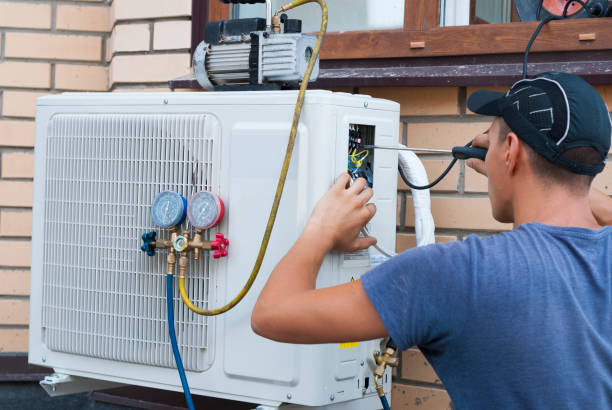
HVAC contractors play an essential role in maintaining, repairing, and replacing heating, ventilation, and air conditioning systems. These professionals are critical for ensuring that homes and businesses remain comfortable and energy-efficient year-round. Below is a detailed look at the key solutions HVAC contractors offer for service and replacement needs.
Routine Maintenance Services
- System Inspections: Comprehensive checks of system components such as filters, coils, fans, and refrigerant levels to ensure optimal performance.
- Filter Replacement: Cleaning or replacing air filters to improve indoor air quality and enhance airflow efficiency.
- Calibration of Thermostats: Ensuring thermostats are calibrated correctly to maintain accurate temperature readings.
- Ductwork Assessments: Checking for leaks or blockages in ductwork that could impact system efficiency.
Repair Services for Malfunctioning Systems
- Fixing Refrigerant Leaks: Identifying and sealing leaks while recharging refrigerant levels as necessary.
- Replacing Faulty Components: Repairing or replacing damaged parts like motors, capacitors, compressors, or heat exchangers.
- Addressing Electrical Issues: Troubleshooting wiring problems or circuit failures within the system’s electrical connections.
- Resolving Airflow Problems: Diagnosing issues related to poor airflow caused by duct obstructions or failing blower motors.
System Replacements and Upgrades
- Recommending modern systems with higher SEER (Seasonal Energy Efficiency Ratio) ratings.
- Highlighting energy-saving features such as variable-speed motors or smart thermostat compatibility.
- Conducting load calculations to ensure the new system is appropriately sized for the property.
- Avoiding oversized or undersized units that could lead to inefficiency or premature wear.
- Suggesting environmentally friendly options like geothermal heat pumps or ductless mini-split systems.
- Advising on eco-conscious refrigerants with lower global warming potential (GWP).
| Feature | Traditional Systems | Modern Systems |
| Energy Efficiency | Moderate (SEER 10–16) | High (SEER 16+; up to 25) |
| Noise Levels | Noticeable | Quiet Operation |
| Smart Integration | Limited | Advanced Controls |
Emergency Services Availability
- Total system failure during peak heating/cooling seasons.
- Refrigerant leaks leading to safety concerns.
- Gas furnace malfunctions causing carbon monoxide risks.
By addressing both routine care and urgent needs effectively, HVAC contractors ensure client satisfaction while prolonging the lifespan of heating and cooling systems.
Exploring the Role of Miami HVAC Experts in Commercial Construction Projects
HVAC contractors play a crucial role in the success of commercial construction projects. Their expertise ensures that buildings meet not only regulatory standards but also the comfort and efficiency needs of occupants. Below, we explore why HVAC contractors are indispensable in commercial construction and the key contributions they make.
Expert HVAC Company Miami, FL: Ensuring Energy Efficiency and Compliance
Commercial buildings are subject to stringent energy efficiency codes and environmental regulations. HVAC contractors:
– Design systems that optimize energy consumption, lowering utility costs for building owners.
– Ensure compliance with local, state, and federal guidelines regarding air quality, emissions, and system performance.
– Recommend advanced equipment like high-efficiency heat pumps or variable refrigerant flow (VRF) systems to reduce carbon footprints.
By prioritizing these factors, contractors help businesses avoid penalties while promoting sustainable operations.
Expert AC Replacement Miami Services with Superior System Design Expertise
Proper HVAC system design is critical for large-scale projects like office complexes, retail centers, or warehouses. HVAC professionals:
– Analyze building layouts to determine appropriate heating, ventilation, and cooling loads.
– Tailor solutions for specialized areas such as data centers or laboratory spaces with unique climate control needs.
– Collaborate with architects and engineers to integrate ductwork and equipment without disrupting structural aesthetics or functionality.
Such tailored designs translate into long-term cost savings for property owners.
Collaboration Across Teams
HVAC contractors act as key collaborators during commercial construction by working closely with different teams:
| Team Involved | Role of HVAC Contractor |
|——————————|———————————————————–|
| Architects | Ensuring designs accommodate ductwork and mechanical systems seamlessly |
| Electrical Engineers | Coordinating power requirements for complex equipment |
| Construction Managers | Aligning HVAC installations with project timelines |
This level of coordination minimizes delays while ensuring that systems are installed correctly from the outset.
Post-Installation Support
The role of an HVAC contractor doesn’t end once a system is installed. Post-installation services include:
1. Conducting thorough testing to confirm operational efficiency.
2. Training facility managers on proper system maintenance protocols.
3. Offering ongoing service agreements to ensure peak performance over time.
These efforts reduce downtime for businesses while extending equipment lifespans.
Addressing Custom Requirements
Modern commercial projects often involve custom considerations such as smart technology integrations or LEED certifications. Here’s how HVAC contractors add value:
– Installation of integrated building automation systems (BAS) for centralized climate control.
– Designing solutions that meet green building standards for environmentally conscious companies.
– Adapting systems for scalability as business needs evolve over time.
This adaptability ensures that facilities remain functional and efficient long after construction is complete.
By providing expertise in design, installation, compliance, and ongoing support, HVAC contractors contribute significantly to the success and longevity of commercial construction ventures. Their ability to balance technical requirements with client needs makes them invaluable partners in any large-scale project.
Optimizing Air Conditioning Repair Miami Services with Advanced HVAC Contractor Field Management Tools
Efficiency and organization are crucial for HVAC contractors, especially when managing multiple projects, scheduling service calls, and overseeing teams in the field. Advanced HVAC contractor field management tools have become indispensable for streamlining operations. From scheduling optimization to inventory management, these tools empower contractors to improve workflows while enhancing customer satisfaction.
Key Features of HVAC Field Management Tools
- Scheduling and Dispatching
Efficiently assign technicians to jobs based on their skill sets, location, and availability. Advanced software uses smart algorithms to optimize routes, saving time and reducing fuel costs. - Work Order Management
Create, assign, and monitor work orders in real-time. This ensures that no task falls through the cracks and provides a clear overview of pending, in-progress, or completed jobs. - Inventory Tracking
Keep track of parts and equipment inventory across job sites or warehouses. Accurate inventory tracking minimizes downtime caused by missing parts. - Mobile Accessibility
Enable technicians to access schedules, customer information, work orders, and other critical data on their mobile devices while on-site. - Customer Relationship Management (CRM)
Store detailed customer records including service history, equipment details, contact preferences, and more. This helps provide personalized service while building long-term client relationships.

Benefits of Utilizing Field Management Tools
| Benefit | Description |
| Improved Efficiency | Automate repetitive tasks like scheduling or invoicing to save time. |
| Enhanced Communication | Real-time updates between office staff and technicians in the field. |
| Reduced Errors | Minimize miscommunications or delays with streamlined workflows. |
| Better Resource Allocation | Optimize technician assignments for more effective use of labor resources. |
| Increased Customer Satisfaction | Deliver faster service with accurate scheduling and communication processes. |
Practical Tips for Implementation
- Assess Your Current Needs
Identify pain points in your current operations—whether it’s scheduling conflicts or inventory mismanagement—and prioritize features that address those issues. - Invest in Training
Ensure your team is adequately trained to use the software effectively. Many providers offer tutorials or support during onboarding. - Start Small
Begin implementation with a pilot group before rolling out company-wide usage to identify any challenges early on. - Integrate with Existing Systems
Look for tools that integrate seamlessly with accounting software or CRM systems already in place. - Monitor Performance Metrics
Track key performance indicators (KPIs) such as job completion times or first-time fix rates to measure the impact of the tool over time.
The Future of HVAC Operations
As technology continues to advance at a rapid pace, embracing modern solutions is essential for businesses looking to maintain a competitive edge in the HVAC industry. By leveraging advanced field management tools effectively, contractors can streamline operations while delivering exceptional value to customers—positioning themselves as leaders in an increasingly dynamic market landscape.
Why HVAC Contractors Need Comprehensive Insurance Coverage and How to Choose the Best Policies
HVAC contractors work in an industry filled with unique challenges, ranging from complex installations to unforeseen accidents on job sites. Comprehensive insurance coverage is not just a necessity—it’s a safeguard for your business. The right insurance policies protect against financial losses, mitigate risks, and instill trust in your customers. Here’s an in-depth look at why HVAC contractors need insurance coverage and how to choose the best policies for their business.
Key Reasons HVAC Contractors Need Insurance
- HVAC work often involves installing or repairing systems that can directly impact a client’s property or safety. General liability insurance protects your business from claims of property damage or bodily injury caused by your work.
- Many states and municipalities require HVAC contractors to carry specific types of insurance as part of licensing requirements.
- HVAC professionals rely on expensive tools and machinery to get the job done. Equipment breakdown or theft can be costly without insurance protection.
- For businesses with employees, workers’ compensation insurance is critical to cover medical expenses and lost wages resulting from workplace injuries.
- Having comprehensive insurance reassures clients that you are a reputable professional who prioritizes accountability and readiness for unexpected outcomes.
Types of Insurance Policies HVAC Contractors Should Consider
| Policy Type | What It Covers | Why It’s Important |
| General Liability | Property damage, bodily injury claims | Protects against lawsuits or damages caused by faulty installations |
| Workers’ Compensation | Medical care, lost wages for injured employees | Ensures employee safety while meeting legal obligations |
| Commercial Auto Insurance | Vehicles used for transporting tools and materials | Covers damages or accidents involving company vehicles |
| Tools & Equipment Coverage | Replacement/repair costs for essential tools | Protects the financial investment in your equipment |
| Professional Liability | Errors in design, installation, or consultation | Provides coverage for claims related to professional negligence |
Factors to Evaluate When Choosing an Insurance Provider
- Industry-Specific Expertise
Look for insurers who specialize in providing policies tailored specifically to the construction trades like HVAC contracting. - Customizable Policies
A good provider will allow you to customize coverage options based on the size of your business, your geographic location, and areas of specialization. - Financial Strength Ratings
Ensure that the insurer has strong financial stability by checking ratings from agencies like AM Best or Standard & Poor’s. - Policy Limits & Deductibles
Analyze policy limits carefully—choosing limits that adequately cover both minor incidents and catastrophic events—and consider how deductibles affect long-term costs. - Customer Support Availability
Opt for insurers with responsive claim processes, clear communication channels, and 24/7 support when emergencies arise.
Steps to Obtain Comprehensive Coverage
- Conduct a risk assessment of your business operations.
- Compare multiple quotes from different providers.
- Consult an industry-specific broker if needed.
- Review policy details closely before signing (e.g., exclusions or fine print).
- Regularly reassess coverage needs as your business grows or evolves.
Investing time in securing proper insurance ensures peace of mind while enabling you to focus on delivering quality services without unnecessary risks hindering operations.
Exploring the Top Features of Cutting-Edge Technology for HVAC Contractors to Enhance Efficiency and Customer Satisfaction
In the evolving HVAC industry, technology plays a crucial role in improving both operational efficiency and customer satisfaction. Modern tools and software solutions empower HVAC contractors to streamline their workflow, reduce errors, and deliver exceptional service. Below is an exploration of some of the most impactful features of cutting-edge technology designed for HVAC professionals.
Smart Scheduling and Dispatching
Efficient scheduling is a cornerstone for any HVAC contractor. Advanced scheduling tools offer:
– Real-time updates: Instantly adjust work orders as changes occur.
– Route optimization: Reduce travel time with software that identifies the best routes for technicians.
– Automatic reminders: Send appointment reminders to customers via email or SMS to minimize no-shows.
These tools not only help contractors stay organized but also ensure technicians arrive prepared, reducing delays and improving customer experience.
Mobile Access for Technicians
Mobile apps have revolutionized how technicians interact with job-related information on-site. Key features include:
– Access to work orders, equipment history, and customer records from mobile devices.
– Capability to upload photos or videos directly from job sites for better documentation.
– On-the-go invoicing where technicians can generate estimates or process payments immediately after completing a job.
This level of connectivity streamlines operations while making it easier for technicians to provide transparent communication with customers.
IoT Integration in HVAC Systems
Internet of Things (IoT) technology has introduced smart systems into the realm of HVAC services. Benefits include:
– Remote monitoring of system performance through smart thermostats and connected devices.
– Predictive maintenance alerts that notify contractors before potential breakdowns occur.
– Energy usage analytics that allow customers to optimize heating or cooling settings.
With IoT-enabled systems, contractors can transition toward proactive service models while offering more value to customers through energy-efficient solutions.
CRM Tools for Enhanced Customer Management
Customer Relationship Management (CRM) software simplifies how contractors manage client interactions over time by providing tools such as:
1. Centralized databases storing customer contact details, preferences, and history of service requests.
2. Automated follow-ups reminding clients about regular system maintenance needs.
3. Data-driven insights into client satisfaction levels that help identify areas for improvement.
Strong CRM capabilities ensure long-term relationships with customers by delivering personalized service experiences at every touchpoint.
Data Analytics for Better Decision-Making
Modern HVAC technologies are equipped with robust data analytics features that enable companies to measure key performance indicators (KPIs). Metrics such as average response times, technician performance rates, or seasonal trends in service calls can uncover new opportunities for growth or improvement.
| Feature | Benefit | Example Use Case |
| Predictive Maintenance Alerts | Prevent costly breakdowns | Notify clients when air filters need changing |
| Route Optimization | Save time on travel | Identify shortest paths between appointments |
| Energy Usage Analytics | Improve energy efficiency | Provide tailored advice on reducing energy bills |
By leveraging these insights strategically, contractors position themselves as proactive solution providers rather than reactive service operators.
Cloud-Based Document Storage
Gone are the days when paper-based documentation dominated operations. Cloud technology enables instant access to critical documents anytime from any device — invoices, repair logs, certifications — all hosted securely online.
Advantages include:
– Reduced risk of misplacing essential paperwork.
– Improved collaboration among team members accessing shared files.
– Faster processing times when handling permits or compliance documents required during projects.
Ensuring seamless document management helps HVAC teams complete projects faster while maintaining professional standards in recordkeeping practices.
By embracing these cutting-edge features in their workflows, HVAC contractors can enhance operational efficiency while exceeding customer expectations consistently over time.
- Identifying When to Seek Air Conditioning Repair Miami Services for Your Unit
- Understanding When Air Conditioning Repair Miami Services Indicate It’s Time for a Replacement
- 4 Proven Strategies for Air Conditioning Repair Miami Contractors to Expand Their Business
- 9 Signs You Need Air Conditioning Repair Miami Residents Can Trust
- Comprehensive Guide to AC Repair Miami: Top Solutions for Service and Replacement
- Comprehensive Guide to Miami HVAC: Common Home AC Replacement Issues
- Miami HVAC Unit Replacement Cost: What to Expect and Budgeting Tips
- Signs That Your Miami HVAC System Needs Immediate Replacement