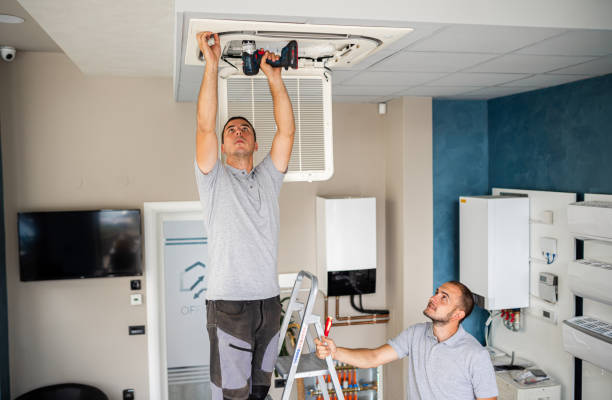
Replacing a home air conditioning (AC) system is a significant investment, and homeowners often encounter various challenges during the process. Understanding these common issues can help you navigate replacements more effectively, avoid delays, and ensure your home remains comfortable. Below is an overview of the most common AC replacement problems and tips to address them.
One of the most frequent issues involves installing an air conditioning unit that’s either too small or too large for the space it serves.
- Under-Sized Systems: These units struggle to cool your home adequately, leading to energy inefficiency and frequent breakdowns due to overuse.
- Over-Sized Systems: Larger systems may cycle on and off frequently, causing uneven cooling, humidity imbalances, and higher energy bills.
Solution: Ensure a professional HVAC contractor performs a load calculation before selecting your new system. This involves evaluating factors such as square footage, insulation levels, windows, and climate conditions.
Even with a new AC unit installed, older or improperly designed ductwork can reduce its efficiency.
- Leaks that allow cooled air to escape.
- Insufficient insulation around ducts in unconditioned areas like attics.
- Unbalanced airflow that leads to uneven cooling throughout your home.
Solution: During the replacement process, ask your contractor to inspect and seal your ductwork as needed. Upgrading insulation or making adjustments for better airflow can improve overall performance.
Homeowners sometimes overlook energy efficiency when selecting their new AC system. This mistake could lead to higher utility bills over time if you choose a system with low Seasonal Energy Efficiency Ratio (SEER) ratings.
Solution: Opt for an energy-efficient model with a high SEER rating (typically above 14). Although these units may have higher upfront costs, they often deliver substantial long-term savings through reduced energy consumption.
An improperly installed AC unit won’t perform as expected and may require costly repairs down the line. Common installation issues include incorrect wiring connections, improper refrigerant levels, or inadequate drainage systems for condensation.
Solution: Always hire an experienced and certified HVAC technician who follows industry best practices during installation.
Once an AC replacement is completed, many homeowners neglect routine maintenance tasks like filter changes or professional inspections. This oversight can shorten the lifespan of your new system and reduce its performance efficiency over time.
Solution: Create a maintenance schedule that includes steps such as:
- Replacing air filters every 1–3 months.
- Scheduling annual tune-ups with a licensed HVAC professional.
- Monitoring refrigerant levels periodically.
Essential Insights on Air Conditioning Repair Miami in Table Format
| Issue | Potential Impact | Recommended Solution |
| Improper Sizing | Inefficient cooling; high energy bills | Conduct professional load calculations |
| Poor Ductwork | Uneven airflow; wasted energy | Inspect ducts; seal leaks; improve insulation |
| Low Energy Efficiency | Increased utility expenses | Choose high-SEER models |
| Poor Installation Practices | Frequent repairs; reduced lifespan | Hire certified contractors for proper installation |
| Lack of Maintenance | System inefficiency | Establish regular maintenance habits |
Taking these proactive steps will help you avoid common pitfalls when replacing your home’s air conditioner while ensuring greater comfort and lower costs over time.
Top Signs You Need AC Repair Miami Residents Should Watch For
Your HVAC system is an essential component of your home, responsible for maintaining indoor comfort throughout the year. Over time, however, even the most reliable systems can start to show signs of wear and tear. Recognizing when your HVAC system requires immediate replacement can save you from costly repairs and ensure your home stays comfortable.
1.Frequent Repairs and Rising Costs
If you find yourself calling an HVAC technician more often than you’re comfortable with, it may be time to evaluate whether continued repairs are worthwhile.
– A history of regular breakdowns within a short period (e. g. , multiple issues over the past year).
– Repair costs that add up to more than 50% of a new unit’s price.
– Replacing major components such as compressors or heat exchangers, which can be expensive.
At some point, replacing the system is more cost-effective than continuing frequent repairs.
2.Aging Equipment
Most HVAC systems have a lifespan of around 10–15 years when properly maintained.
– Efficiency levels are likely dropping due to outdated technology.
– Replacement parts may become harder to source as manufacturers phase out older models.
An aging HVAC unit is typically less energy-efficient, leading to higher utility bills over time.
3.Reduced Energy Efficiency
– The unit is working harder to cool or heat your home effectively.
– Inadequate insulation or failing components within the system.
Upgrading to a modern energy-efficient model can significantly lower utility costs while giving you access to advanced features like programmable thermostats and smart controls.
4.Unusual Noises or Odors
HVAC systems should operate quietly in the background without noticeable disturbances.
– Grinding, squealing, or rattling noises coming from your unit.
– Foul odors such as moldy smells (indicating moisture buildup) or burning odors (suggesting electrical issues).
These problems often signal internal damage that might not be repairable.
5.Inconsistent Temperatures Across Your Home
If certain rooms feel too hot while others remain too cold regardless of thermostat settings, this could indicate serious inefficiencies with your HVAC system:
| Common Causes | Potential Solutions | |——————————–|————————————| | Leaky ductwork | Duct sealing or repair | | Faulty thermostat | Thermostat recalibration/replacement | | Aging equipment unable to maintain airflow | Replacing the entire system |
Inconsistent performance may ultimately require upgrading to a newer model designed for better airflow distribution.
Final Thoughts on Replacement Timing
Replacing an HVAC system can feel like a daunting decision due to its upfront costs and complexities—but ignoring these clear signs could result in more frequent breakdowns and increased expenses down the road. When assessing whether it’s time for replacement, consult with a qualified contractor who can perform an evaluation and suggest suitable options tailored to your home’s needs.
Signs Your HVAC System Needs Replacement: Trusted Tips from an HVAC Company Miami, FL
Recognizing the warning signs early can help you avoid costly repairs or complete system failure.
If your HVAC system requires frequent repairs, it may no longer be cost-effective to maintain it. Constant repairs not only drain your finances but can also disrupt your comfort at home. Assess how often you’ve called a technician in the past year and consider whether investing in a new system might save you money in the long run.
Signs of Frequent Breakdowns:
– Recurring issues such as uneven cooling or heating
– Unusual noises (banging, grinding, or squealing)
– Persistent thermostat malfunctions
An aging or inefficient HVAC system often consumes more energy than necessary to heat or cool your home adequately.
Key Performance Issues Leading to High Bills:
| Issue | Impact on Energy Efficiency |
|—————————–|———————————————-|
| Dirty coils | Reduced ability to transfer heat |
| Outdated technology | Cannot meet modern energy-efficiency standards |
| Worn components | Increased energy consumption |
Inconsistent temperatures across rooms can indicate serious issues with an aging HVAC system, such as failing components or insufficient power capacity for your home’s needs. If some areas feel too hot while others remain cold regardless of thermostat settings, this imbalance may warrant a replacement.
Common Causes of Uneven Temperatures:
– Leaking ductwork
– Undersized unit for the home size
– Failing blower motor
Most modern HVAC systems are designed to last between 10–15 years with regular maintenance. Replacing an older system proactively can prevent sudden breakdowns during extreme weather conditions.
Lifespan by Type of System:
| Type of System | Average Lifespan |
|—————————–|———————————————|
| Central air conditioners | 10–15 years |
| Furnaces | 15–20 years |
| Heat pumps | 10–12 years |
An outdated HVAC unit may fail to filter dust, allergens, and pollutants effectively from circulating air—leading to poor indoor air quality (IAQ). Additionally, older systems may struggle to maintain optimal humidity levels, making your home less comfortable.
Signs Your IAQ Is Suffering:
– More dust buildup on surfaces than usual
– Increased allergy symptoms among household members
– High indoor humidity causing mold growth
Key Factors to Consider for AC Replacement Miami
If one or more of these indicators apply to your current situation, consulting an experienced HVAC contractor is highly recommended. A professional assessment can provide clarity on whether repairs are viable or if replacement would be more practical based on costs and efficiency gains over time.
By recognizing these issues early and taking action when needed, you can ensure consistent comfort throughout every season while optimizing both energy use and long-term savings in your home environment.
The Importance of Hiring a Skilled and Certified HVAC Contractor
When it comes to your HVAC system, hiring a skilled and certified contractor is not just a recommendation—it’s a necessity. Proper installation, maintenance, or replacement of your heating and cooling systems can significantly impact their performance, lifespan, and overall energy efficiency. Below, we will explore why working with a certified professional is crucial and the benefits they bring to your project.
Ensuring Proper Installation
A certified HVAC contractor has undergone extensive training and testing to meet industry standards.
- Correctly size HVAC units based on your home’s square footage, insulation quality, and layout.
- Install systems according to manufacturer guidelines, minimizing the risk of future malfunctions.
- Optimize ductwork design to improve airflow efficiency and reduce energy waste.
Improper installation by unqualified individuals can lead to higher utility bills, frequent breakdowns, or even major safety concerns such as carbon monoxide leaks or electrical hazards.
Energy Efficiency Expertise
Certified contractors stay up-to-date on advancements in energy-efficient technology.
- Suggesting ENERGY STAR-rated systems that meet high efficiency standards.
- Advising on smart thermostats for better temperature management.
- Identifying areas for improvement in insulation or duct sealing.
These professionals understand how small upgrades can make a big difference in reducing energy consumption.
Adherence to Local Codes and Regulations
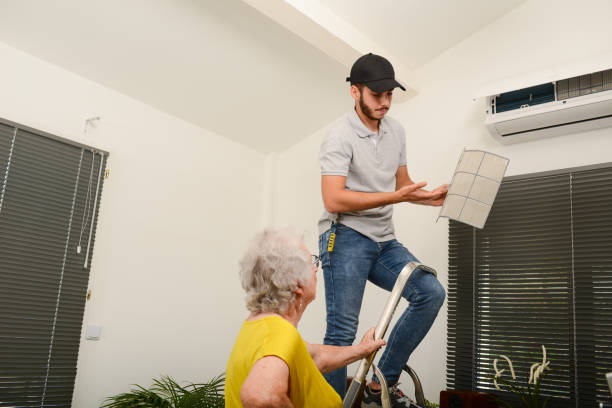
Skilled HVAC contractors are familiar with local building codes and regulations that govern heating, ventilation, and air conditioning systems.
- Your installation meets all legal requirements.
- Necessary permits are obtained ahead of time.
- You avoid fines or complications during home inspections.
Hiring an uncertified contractor could result in violations that delay projects or lead to costly penalties.
Long-Term Cost Savings
- Fewer repair needs due to proper installation.
- Longer system lifespan achieved through professional maintenance practices.
- Access to warranties from manufacturers that only apply when installations are performed by licensed technicians.
Investing in expertise often translates into fewer headaches down the road for homeowners.
Peace of Mind
A certified HVAC technician provides peace of mind thanks to their professionalism and accountability.
- Look for certifications such as NATE (North American Technician Excellence) or EPA Section 608 compliance.
- Ask if they carry liability insurance and worker’s compensation coverage.
- Request references from past customers who can vouch for their reliability.
Knowing you’ve entrusted your home’s comfort system to someone qualified allows you to feel confident about the quality of work done.
| Key Advantages | Certified Contractor | Unlicensed Worker |
| Warranty Protection | ✔ | ✘ |
| Adherence to Safety Standards | ✔ | ✘ |
| Expertise with Energy-Efficient Systems | ✔ | ✘ |
Hiring a skilled and certified HVAC contractor is essential for ensuring safe operation, long-term performance, and adherence to all industry standards while improving your home’s comfort efficiently.
Understanding the Costs Involved in HVAC System Installation and Replacement
When it comes to installing or replacing an HVAC system, understanding the associated costs is crucial for homeowners. HVAC systems are significant investments, and preparing a budget while knowing what factors influence the final price can help you make informed decisions. Below, we break down the key cost components and provide insights into what to expect when planning your project.
Key Factors That Influence HVAC Installation and Replacement Costs
Several variables impact the total cost of an HVAC installation or replacement project.
- Central air conditioning systems
- Heat pumps
- Ductless mini-split systems
Each of these types has different price ranges, with central systems often being more expensive due to their complexity. - Size of the Unit: A correctly sized unit is essential for your home’s energy efficiency. Larger homes typically require units with higher capacity (measured in BTUs), which can increase costs.
- Energy Efficiency Rating: Systems with higher SEER (Seasonal Energy Efficiency Ratio) ratings may cost more upfront but offer long-term savings on energy bills.
- Installation Complexity: If additional ductwork, electrical upgrades, or zoning systems are required, these can substantially raise costs. Older homes may also require retrofitting for modern systems, further increasing expenses.
- Brand and Features: Premium brands or units with cutting-edge features like smart thermostats or variable-speed compressors often come at a premium price point.
Average Cost Ranges
| Component/Service | Average Cost Range (USD) |
| New HVAC System | $3,000 – $10,000 |
| Labor Costs | $1,500 – $3,500 |
| Ductwork Installation/Repair | $1,000 – $5,000 |
| Thermostat Installation | $150 – $500 |
Note that these figures are averages and may vary depending on location, contractor rates, and specific project requirements.
Ways to Save on Costs
- Obtain Multiple Quotes: Compare estimates from several contractors to ensure you’re getting competitive pricing.
- Consider Seasonal Discounts: Some contractors offer discounts during off-peak seasons when demand is lower.
- Evaluate Rebates and Incentives: Many utility companies provide rebates for installing energy-efficient systems.
- Plan for Maintenance Packages: Some contractors offer maintenance plans that bundle services at discounted rates.
The Importance of Professional Installation
Hiring a certified and experienced contractor ensures that your system is installed correctly and efficiently—avoiding potential issues such as improper sizing or faulty wiring that could lead to higher repair and energy costs over time.
By understanding the variables involved in pricing an HVAC installation or replacement project upfront, you’ll be better equipped to make informed decisions while ensuring your home remains comfortable year-round.
Top Questions to Ask Before Hiring an HVAC Contractor for Your Home
When hiring an HVAC contractor for your home, asking the right questions can save you time, money, and frustration. A skilled contractor ensures the proper functioning of your heating and cooling systems.
1. Are You Licensed and Insured?
- Why It Matters: Licensing ensures that the contractor meets local regulations and industry standards. Insurance protects you from liability in case of accidents or damages during the project.
- What to Look For: Verify their licensing credentials with your local authority and request proof of both liability insurance and workers’ compensation coverage.
2. What Experience Do You Have With This Type of System?
- Why It Matters: HVAC systems vary significantly between models, brands, and technologies. Contractors with relevant experience are better equipped to handle your specific system’s requirements.
- Have they worked on similar systems (e. g., central air conditioning, heat pumps, ductless mini splits)?
- Do they have manufacturer-specific certifications for certain brands?
3. Can You Provide References or Customer Reviews?
- Why It Matters: Past performance is often a strong indicator of future results. Checking reviews or speaking with former clients helps assess their reliability and professionalism.
- Ask for a list of recent projects or references.
- Check online reviews on trusted platforms such as Google or Yelp.
4. What Warranties Do You Offer?
- Why It Matters: Warranties provide peace of mind by covering unexpected repairs or replacements after installation.
- Is there a labor warranty? How long does it last?
- Does the equipment come with a manufacturer’s warranty?
- Are there any exclusions in these warranties?
5. Will You Provide a Written Estimate?
- Why It Matters: A detailed written estimate ensures transparency regarding costs and prevents hidden fees from surprising you later.
- Key Details to Expect in an Estimate: | Item | Description | |—————————–|—————————————————| | Labor Costs | Breakdown of hourly rates or flat fees | | Equipment Pricing | Cost of new parts or systems | | Miscellaneous Charges | Permits, disposal fees, etc.
6. Do You Handle Permits and Inspections?
- Why It Matters: Many HVAC projects require permits and inspections to comply with local building codes.
- Points to Confirm:
- Will they handle obtaining permits on your behalf?
- Are inspections included as part of their service?
7. What Maintenance Services Do You Offer Post-installation?
Proper maintenance extends the life of your HVAC system while keeping it efficient over time.
Taking time to ask these questions demonstrates diligence while ensuring you hire a knowledgeable professional who understands your needs.
- Identifying When to Seek Air Conditioning Repair Miami Services for Your Unit
- Understanding When Air Conditioning Repair Miami Services Indicate It’s Time for a Replacement
- 4 Proven Strategies for Air Conditioning Repair Miami Contractors to Expand Their Business
- 9 Signs You Need Air Conditioning Repair Miami Residents Can Trust
- Comprehensive Guide to AC Repair Miami: Top Solutions for Service and Replacement
- Comprehensive Guide to Miami HVAC: Common Home AC Replacement Issues
- Miami HVAC Unit Replacement Cost: What to Expect and Budgeting Tips
- Signs That Your Miami HVAC System Needs Immediate Replacement